

This article may contain affiliate links. If you purchase through these links, we may earn a small commission at no additional cost to you. As an Amazon Associate, we earn from qualifying purchases.
You’re standing in your kitchen with a sink full of cloudy water that just won’t drain. You’ve seen dozens of videos online praising baking soda and vinegar drain cleaner, but you’re wondering if it actually works or if you’re about to make a foamy mess. Good news, it can work beautifully if used correctly. You just need to understand the science, the right method, and when to stop before causing any damage.
Using baking soda and vinegar as a drain cleaner is a natural, budget-friendly alternative to harsh chemicals. These two ingredients sit in almost every kitchen and, when combined, create a fizzy reaction that helps loosen grime, soap residue, and odors. Let’s walk through how to make and use this simple cleaner the right way.
Why People Use Baking Soda and Vinegar in Drains?
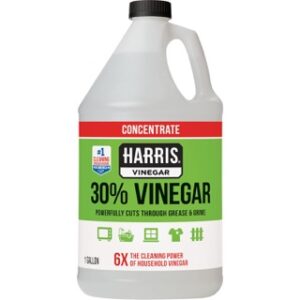
Harris 30% Cleaning Vinegar
A concentrated cleaning vinegar that's much stronger than regular white vinegar. Great for DIY drain cleaning and removing mineral buildup.
Pros
✔ 6× stronger than regular vinegar
✔ Ideal for DIY drain cleaning
✔ Multipurpose household cleaner
Cons
✘ Requires dilution
✘ Not for natural stone
Most people reach for vinegar and baking soda as a drain cleaner because it’s safe, affordable, and easy. Both ingredients are household staples that pose no risk to your health or the environment. Baking soda (sodium bicarbonate) is a mild base, while vinegar is a weak acid. When the two meet, they react to form carbon dioxide bubbles and water. Those fizzy bubbles help loosen gunk inside pipes, especially in early-stage clogs.
This method is great for maintaining drains or tackling slow water flow. However, it’s not a miracle fix for severe clogs or hairballs. The chemical reaction only lasts a few seconds and works best as a gentle cleanser, not a drain opener.
Beyond basic plumbing maintenance, exploring various white vinegar cleaning uses around the kitchen is a fantastic way to cut down on toxic, store-bought sprays entirely.
Tip: Use this method for drains that are starting to slow down, not completely clogged. It’s preventive maintenance, not emergency repair.
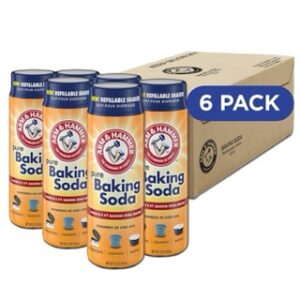
ARM & HAMMER Pure Baking Soda Shaker
A convenient shaker bottle of pure baking soda that's perfect for DIY drain cleaning. It mixes easily with vinegar to help deodorize and freshen slow drains.
Pros
✔ Easy-to-use shaker bottle
✔ Pure baking soda for DIY cleaning
✔ Great for drain deodorizing
Cons
✘ Not for severe drain clogs
✘ Requires vinegar for best results
How to Use Baking Soda and Vinegar as a Drain Cleaner: Step-by-Step
If you’re ready to try cleaning a drain with baking soda and vinegar, here’s how to do it safely and effectively.
Materials & Preparation
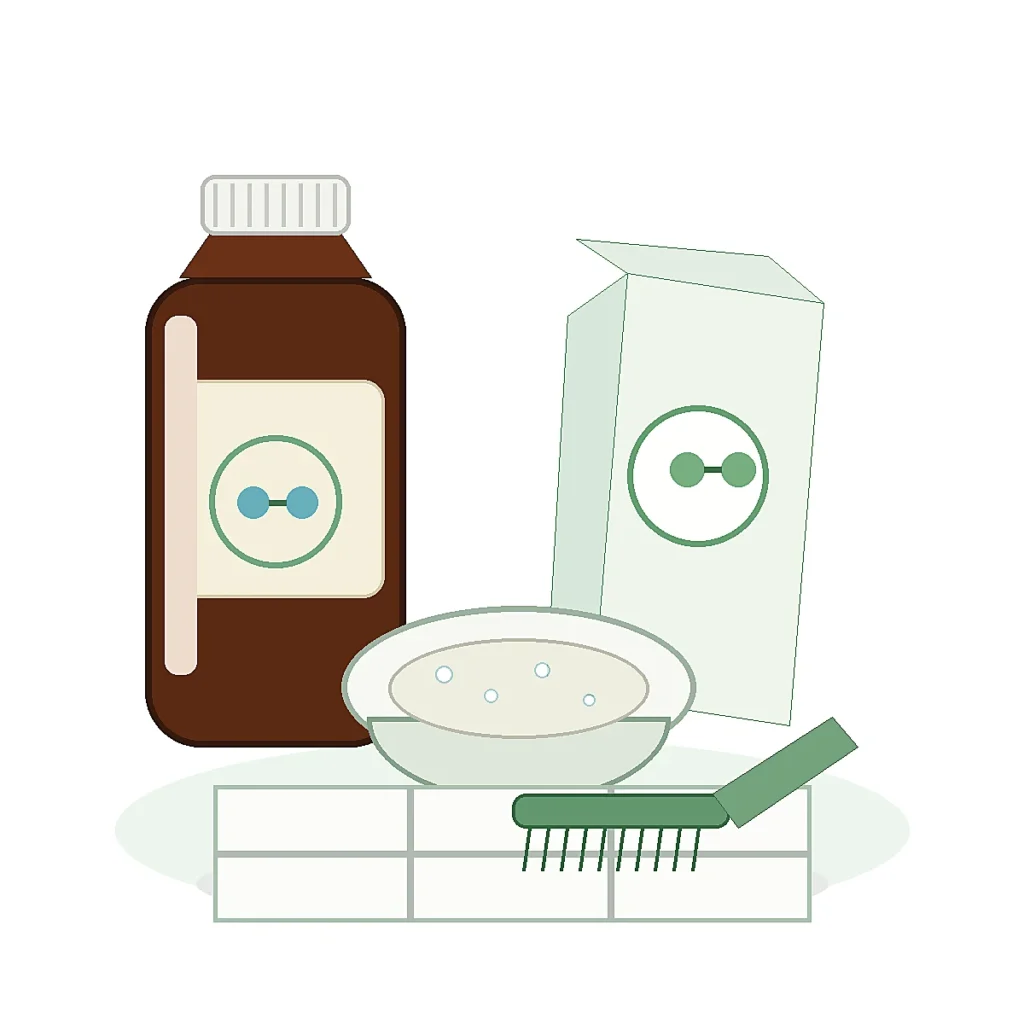
You’ll need
- ½ cup of baking soda
- 1 cup of white vinegar
- 2 to 3 cups of hot water or boiling water
- Optional: 1 tablespoon of salt (for stubborn buildup)
Always ensure the drain is clear of standing water before starting. Avoid mixing this with any other cleaners, especially bleach, as that combination can produce harmful fumes.
Read More: Skip the Softener! Using Vinegar as Fabric Softener — Tips, Benefits & Myths
Method A: Sequential Method (Best and Safest)
- Pour baking soda directly into the drain. Let it sit for about 10 minutes.
- Slowly pour vinegar over the baking soda. You’ll see fizzing right away.
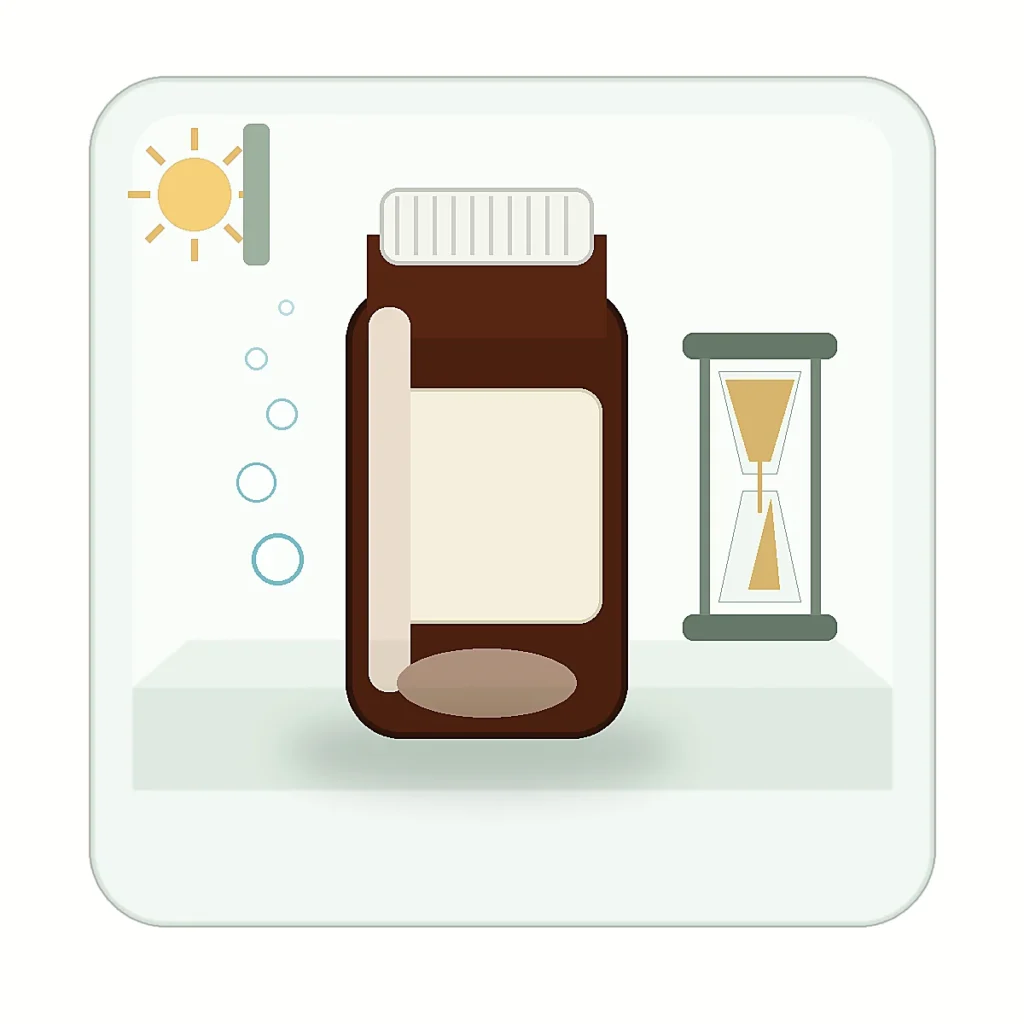
- Cover the drain with a cloth or stopper and let it sit for about 15–30 minutes.
- Flush with hot water to rinse away loosened debris.
This approach keeps the fizzing action inside the pipe where it can do the most work. The hot water at the end helps wash out everything that’s been dislodged.
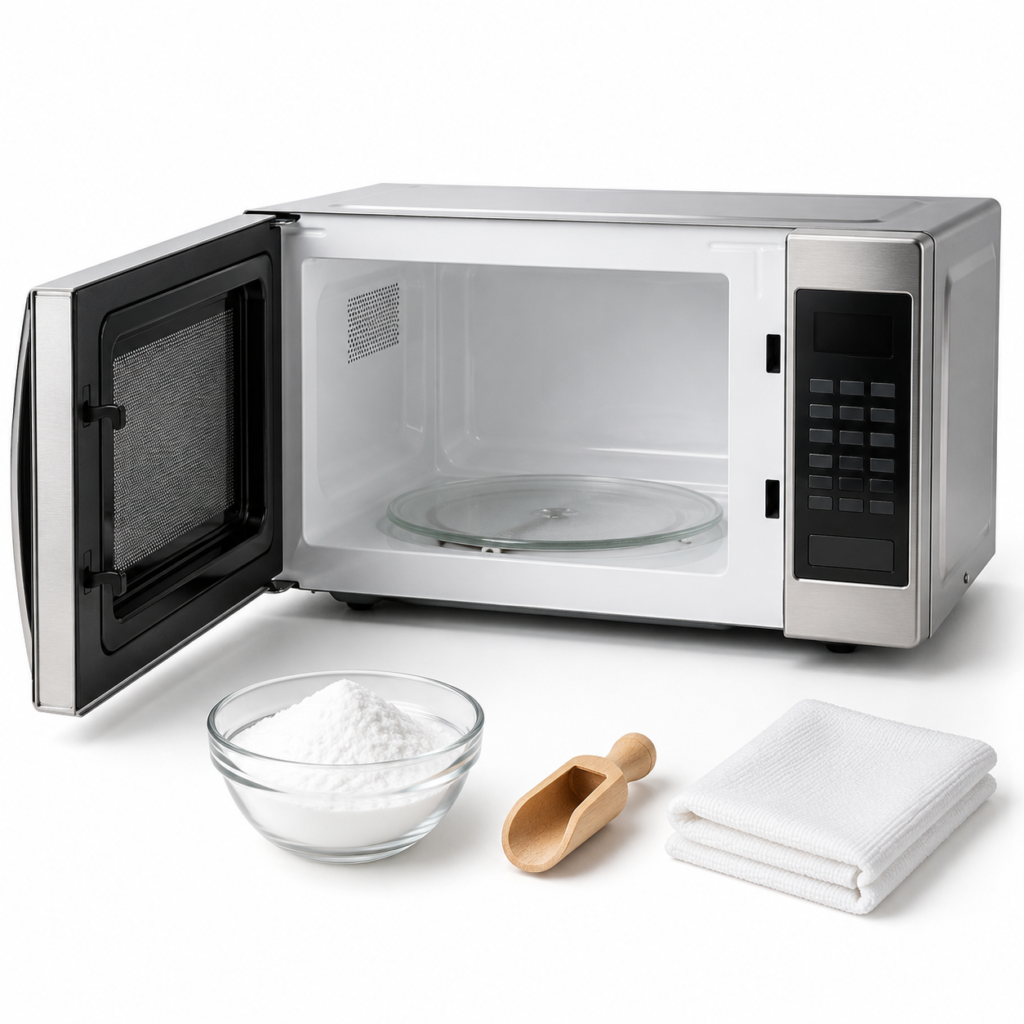
For instance, if you happen to get distracted and leave it a bit too long, don’t sweat it—much like a gentle microwave baking soda method, a slightly extended soak with these household staples rarely causes damage to sturdy composite materials.
Tip: Don’t skip the hot water flush. It’s the real secret behind clearing that final residue.
Method B: Quick Pour (Less Recommended)
If you’re short on time, you can mix baking soda and vinegar directly in a measuring cup, then pour it into the drain. This will still fizz but less powerfully because the reaction starts before it reaches the pipes. It’s fine for deodorizing but less effective for cleaning.
Use per Drain Type
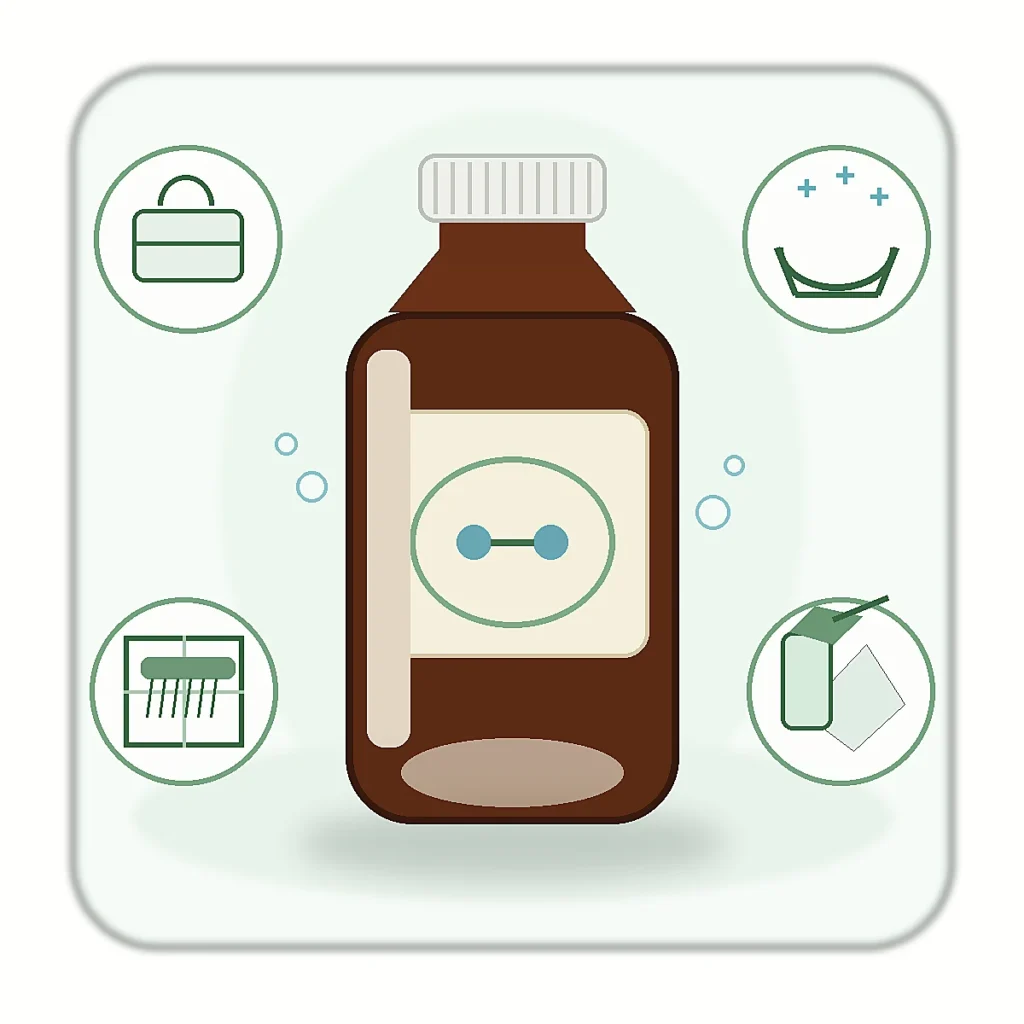
- Kitchen sinks: Great for clearing grease film and odors.
- Bathroom sinks: Works well on soap scum and toothpaste buildup.
- Showers and tubs: Helps with mild hair clogs but not total blockages.
You can repeat this process once a week for maintenance. Always test one drain before applying it throughout your home, especially in older plumbing systems.
Tip: Try a test run on one smaller drain to see how your pipes respond before doing every sink.
What Works and What Doesn’t
Now let’s be honest. Vinegar and baking soda drain cleaning isn’t magic. It has clear pros and cons.
Benefits
- Non-toxic and gentle compared to chemical drain openers
- Helps deodorize kitchen and bathroom drains
- Ideal for preventive maintenance
- Safe for septic systems when used moderately
According to the American Cleaning Institute, baking soda is one of the safest abrasives for household cleaning, removing buildup without scratching surfaces.
When It Fails
- It won’t remove grease plugs, large food chunks, or solid blockages.
- The fizzing neutralizes quickly, reducing its cleaning power for serious clogs.
- If your drain is already fully backed up, the reaction can push foam back out instead of down the pipe.
When baking soda and vinegar aren’t enough, Green Gobbler Main Drain Opener can tackle tougher drain clogs.
Green Gobbler Main Drain Opener
A powerful drain cleaner for stubborn clogs that baking soda and vinegar can't clear. Ideal as the next step when DIY methods don't solve the problem.
Pros
✔ Removes tough hair and grease clogs
✔ Safe for pipes and septic systems
✔ Works on sinks, tubs, and showers
Cons
✘ Chemical cleaner
✘ Not needed for minor slow drains
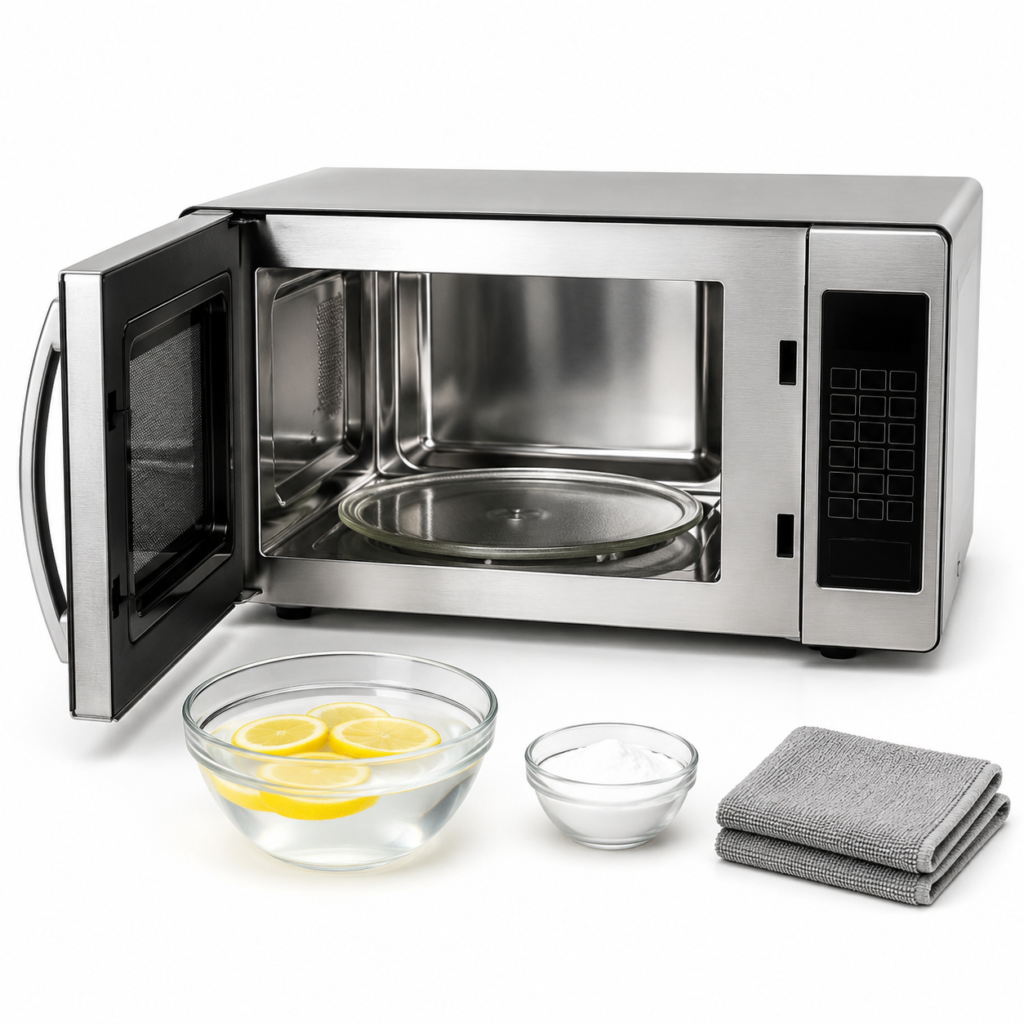
If you are dealing with caked-on grease on vertical walls rather than trapped inside a pipe, switching to a targeted microwave vinegar cleaning routine can help loosen splatters much faster than pouring the mixture straight down a line.
Potential Damage
Excessive vinegar use can corrode older metal pipes over time, especially those with worn seals. Meanwhile, too much baking soda may solidify when not rinsed properly, creating small crusts that attract debris. This is why moderation matters.
Tip: Save this cleaner for monthly maintenance. For heavy clogs, mechanical or enzyme-based solutions work better.
Pro Tips for Using Baking Soda and Vinegar to Clean Drains
Let Baking Soda Sit First
In my experience, the biggest mistake people make is pouring both ingredients together too soon. Letting baking soda sit for 10 minutes before adding vinegar gives it time to absorb grease and loosen buildup. Then, when vinegar joins in, the fizzing reaction pushes loosened material away.
Create a Maintenance Routine
If your home’s drains often get sluggish, schedule a monthly drain cleaning with a vinegar and baking soda session. Start with baking soda and vinegar one weekend a month, followed by a hot water flush. For a deeper clean, alternate with enzyme drain cleaners that use natural bacteria to digest organic buildup.
Combine with Enzyme Boost
For a hybrid method, use baking soda and vinegar in the evening, flush with hot water, then follow up the next morning with an enzyme cleaner. The two methods complement each other and maintain healthy plumbing long-term.
Tip: Think of baking soda and vinegar as the spa day for your drains. Gentle, refreshing, but not a surgery substitute.
When to Use Other Methods
Sometimes, even the best baking soda and vinegar drain cleaner recipe won’t cut it. If your water isn’t draining at all, or you hear gurgling sounds, you’ll need to step it up a notch.
Mechanical Tools
A plunger or drain snake can dislodge stubborn blockages like hair or grease plugs. They provide direct pressure and are often more reliable than chemical or DIY options.
Enzyme or Bacteria Cleaners
Enzyme-based drain cleaners digest organic material safely and work best when used overnight. They’re a great eco-friendly alternative and safe for septic systems.
Commercial Cleaners
Heavy-duty chemical cleaners can dissolve solid clogs, but use them sparingly. Frequent use can damage pipes and harm the environment. Always read labels carefully.
When to Call a Plumber
If you’ve tried everything and water still won’t move, it’s time to bring in a professional. Repeated DIY attempts on major clogs can worsen the issue or cause leaks.
Tip: If this gentle method doesn’t restore normal drainage after two tries, switch to a plunger or call a plumber before pouring more vinegar.
Conclusion
A baking soda and vinegar drain cleaner is one of the easiest, safest ways to keep your drains fresh and flowing freely. It’s eco-friendly, affordable, and ideal for routine maintenance. Just remember that it’s best for mild buildup, not major clogs. Pour baking soda, add vinegar, wait for the fizz to work its magic, and finish with hot water. Use it once a month, and your pipes will thank you.
Try it today and see how this old-school kitchen chemistry trick can make your sink sparkle again naturally.
Read more: How to Clean Microwave Vent
Frequently Asked Questions
Does baking soda and vinegar drain cleaner really work?
Yes, for mild buildup and odors. It helps clean and deodorize but isn’t strong enough for deep clogs.
What’s the best baking soda and vinegar drain cleaning recipe?
½ cup baking soda followed by 1 cup vinegar, then flush with 2–3 cups hot water after 15–30 minutes.
Can you clean a sink drain with baking soda and vinegar every week?
Weekly is fine for deodorizing, but monthly is enough for maintenance.
Will baking soda and vinegar damage pipes or rubber seals?
Occasional use is safe, but avoid constant use on older metal pipes to prevent corrosion.
Should you mix baking soda and vinegar or pour sequentially?
Pour sequentially for better results. Mixing them outside the drain neutralizes the fizzing effect too early.
How long should you let it sit?
Let it sit at least 15–30 minutes before flushing with hot water for the best cleaning effect.