

This article may contain affiliate links. If you purchase through these links, we may earn a small commission at no additional cost to you. As an Amazon Associate, we earn from qualifying purchases.
Your kid spills grape juice on the kitchen floor, the dog walks through it like it’s a red carpet event, and somehow there’s toothpaste hardened in the bathroom sink from three days ago. You grab random cleaners from under the sink, stare at the bottles, and suddenly wonder… Can you mix hydrogen peroxide and baking soda for cleaning, or is that one of those “accidentally create a science experiment” moments?
The short answer? Yes, you absolutely can.
In fact, mix hydrogen peroxide and baking soda together and you get a surprisingly powerful, mildly fizzy paste that works great on certain stains, grime, grout, sinks, and even funky-smelling spots around the house. It’s one of those old-school cleaning tricks that people quietly swear by because it’s cheap, simple, and honestly pretty satisfying to use.
But and this matters, it’s not magic for every surface, and there are a few things you definitely shouldn’t do with it unless you want faded fabric or weird streaky countertops.
So let’s talk about the real-life version of this cleaning combo. The messy-kitchen, sticky-bathroom, “why is there mystery sludge behind the faucet again?” version.
What Is Hydrogen Peroxide and Baking Soda Mixture?
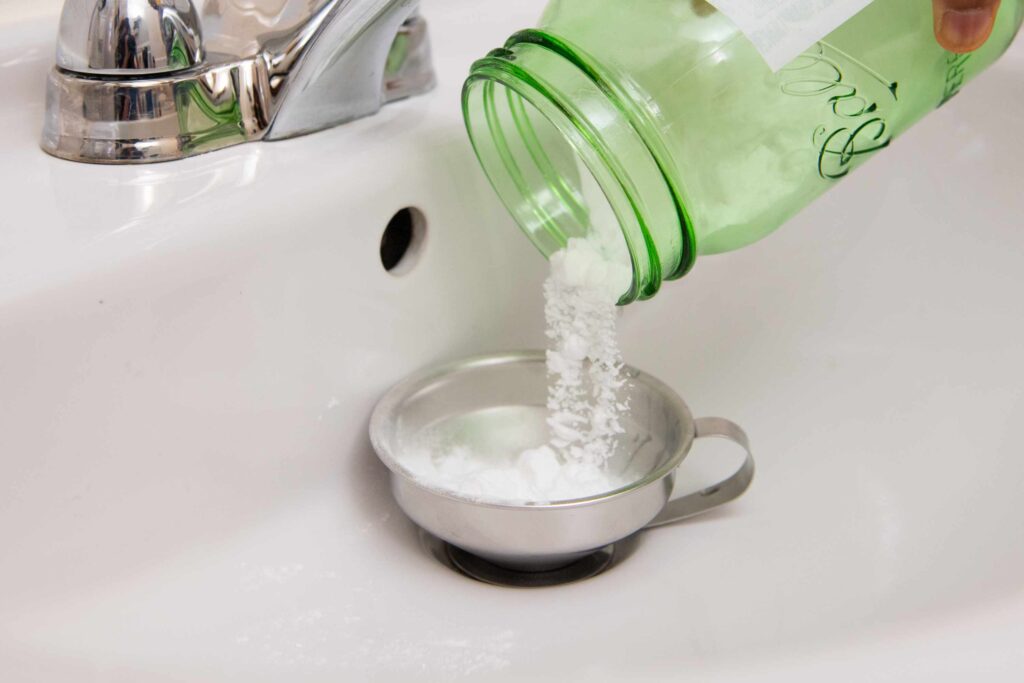
When people talk about baking soda and peroxide for cleaning, they’re usually referring to a simple homemade paste made from hydrogen peroxide liquid and baking soda powder.
It sounds almost too basic to work. Like something your grandma would casually recommend while scrubbing cookie sheets at midnight.
But there’s actually a reason this combo works so well.
Baking soda is mildly abrasive, so it helps scrub grime without scratching most surfaces. Hydrogen peroxide helps break down stains, discoloration, and bacteria. Together, they create a surprisingly effective cleaning solution for certain household messes.
A lot of parents and pet owners love this mixture because it feels like a more non-toxic cleaning combo compared to harsh bleach-heavy products. You still need to use it carefully, of course, but many people prefer it for everyday messes around kids and animals.
The texture matters too.
If you’ve never tried it before, the mixture usually turns into a thick white paste depending on the ratio you use. Some people like it runnier for spraying. Others make it thicker for grout or stubborn stains.
I personally learned the hard way that a super watery mixture slides right off vertical surfaces. The first time I used it on a shower grout, the paste basically gave up and dripped into the tub after thirty seconds. Lesson learned.
A thicker paste works much better.
What Happens When You Mix Hydrogen Peroxide and Baking Soda?
Honestly? Nothing dramatic.
You won’t get dangerous fumes or bubbling volcano energy like those viral cleaning videos suggest. The mixture becomes mildly reactive and releases oxygen as the peroxide breaks down, which helps loosen dirt and stains.
That’s why cleaning grout with peroxide and baking soda works so well for dingy bathroom lines that never seem truly clean no matter how much you scrub.
One important thing, though: hydrogen peroxide becomes less effective over time once mixed. So this isn’t really a “make a giant batch and save it forever” kind of cleaner.
More on that later because people always try to store it in old spray bottles and then wonder why it stops working.
Does This DIY Combo Actually Work?
Yes… for the right messes.
And honestly, that’s the part most articles skip.
Some websites act like this mixture can clean your entire house, solve your taxes, and restore your faith in humanity. Realistically? It’s excellent for some jobs and kind of useless for others.
Here’s where I’ve personally seen it work really well:
- Bathroom grout
- Sink stains
- White sneakers
- Greasy stovetop splatters
- Bathtub rings
- Toothpaste crust around faucets
- Mild carpet stains
- Funky trash cans
- Yellowed food containers
One of the best uses is definitely bathroom cleaning.
Now for the honest part.
This combo struggles with:
- Heavy mold infestations
- Natural stone surfaces
- Deep rust
- Old permanent stains
- Greasy buildup that hasn’t been cleaned in years
There’s also a weird internet myth that this mixture disinfects absolutely everything. It can help reduce bacteria on surfaces, sure, but it’s not a hospital-grade disinfectant replacement.
Sometimes old-fashioned soap and warm water still win.
Why Parents and Pet Owners Love It
If you’ve got toddlers, pets, or both, you know the feeling of constantly wiping something.
Sticky fingerprints.
Mystery couch spots.
Dog drool.
Crushed crackers somehow welded into the high chair.
A lot of people prefer this non-toxic cleaning approach because the ingredients are familiar and inexpensive. There’s less worry about overpowering fumes lingering in the bathroom after cleaning.
That said, “non-toxic” doesn’t mean “drinkable” or “totally harmless.” You still want gloves if your skin is sensitive, and you definitely don’t want kids playing with peroxide.
Also, peroxide can bleach fabrics. Ask me how I accidentally created a lighter spot on a dark towel once. Not my finest cleaning moment.
What You Can (and Can’t) Clean with This Mixture
Best Surfaces for Baking Soda Peroxide Cleaning
| Surface | Works Well? | Notes |
| Tile grout | Yes | One of the best uses |
| Bathroom sinks | Yes | Great for toothpaste stains |
| Bathtubs | Yes | Helps with soap scum |
| White sneakers | Yes | Spot test first |
| Trash cans | Yes | Helps with odors |
| Carpet stains | Sometime | Test hidden area first |
| Kitchen appliances | Yes | Avoid electrical parts |
| Stainless steel | Usually | Rinse thoroughly |
Surfaces You Should Avoid
| Surface | Why Avoid It |
| Marble | Can damage the surface |
| Granite | May dull the finish |
| Silk fabrics | Peroxide may bleach |
| Dark colored fabrics | Fading can happen |
| Aluminum | May discolor |
| Hardwood floors | Too much moisture risk |
Honestly, natural stone is where people get into trouble.
You’d think, “It’s just baking soda peroxide, how bad could it be?” Then suddenly your expensive countertop looks cloudy.
Always spot the test first.
Cleaning Grout With Peroxide and Baking Soda
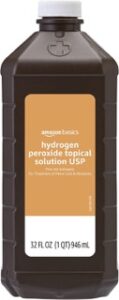
Amazon Basics Hydrogen Peroxide
DIY cleaning mixes & everyday household uses
Pros:
✓ Affordable and easy to find
✓ 3% hydrogen peroxide formula
✓ Versatile for many cleaning tasks
Cons:
✗ Not a dedicated surface cleaner
✗ May not suit all materials
This deserves its own section because wow… grout gets gross fast.
Especially if you have kids who somehow splash toothpaste six feet away from the sink.
Here’s the easiest method I’ve found:
Simple Grout Paste Recipe
- 2 tablespoons baking soda
- 1 tablespoon hydrogen peroxide liquid
- Optional: tiny drop of dish soap
Mix until it forms a thick paste.
Spread it directly onto grout lines and let it sit for about 10 minutes. Then scrub gently with an old toothbrush or grout brush.
You don’t need superhero-level scrubbing either. That’s the nice part.
The paste loosens grime surprisingly well on its own.
One thing I noticed after using it regularly: older grout stains may lighten gradually instead of disappearing instantly. Some Pinterest photos definitely exaggerate the “before and after” magic.
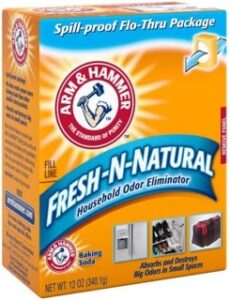
Arm & Hammer Baking Soda (Fresh-n-Natural Odor Eliminator)
DIY cleaning, deodorizing & odor control
Pros:
✓ Freshens surfaces and removes odors
✓ Gentle powder for many household uses
✓ Trusted Arm & Hammer formula
Cons:
✗ Not ideal for heavy-duty stains
✗ Can be abrasive on delicate surfaces
Homemade Hydrogen Peroxide & Baking Soda Cleaner Recipes
You really don’t need complicated recipes here. The simpler versions usually work best.
Basic Sink Scrub
- 3 tablespoons baking soda
- Enough peroxide to form paste
Great for bathroom sinks and kitchen grime.
Shower Cleaner
- Baking soda
- Hydrogen peroxide
- Tiny squeeze of dish soap
This combo cuts through soap scum pretty nicely.
Floor Spot Cleaner
A diluted peroxide mixture can help with certain floor stains, especially in kitchens.
Safety Tips Nobody Talks About Enough
This part matters.
People online love mixing random cleaning ingredients together like amateur chemists and honestly… Some combinations are dangerous.
Here’s what you should NOT mix with hydrogen peroxide:
- Vinegar in the same container
- Bleach
- Ammonia
- Strong chemical cleaners
Hydrogen peroxide has a certain pH level that can react badly when combined incorrectly with other products.
Also:
- Use fresh mixtures when possible
- Store peroxide in dark containers
- Keep away from kids and pets
- Ventilate small bathrooms
- Wear gloves if your skin gets irritated easily
I once used peroxide in a tiny bathroom with zero ventilation and immediately regretted it. The smell wasn’t horrible, but it definitely felt stronger than expected in a closed space.
Open a window if you can.
Does It Leave a Smell?
Not really.
That’s actually one reason people like it.
Unlike heavy commercial cleaners that make your whole house smell aggressively “mountain fresh” for six hours, this mixture has a pretty mild scent. The peroxide smell fades fairly quickly after cleaning.
And honestly? Sometimes no scent feels cleaner.
Can You Store the Mixture?
Technically, you can for a short time… but it’s not ideal.
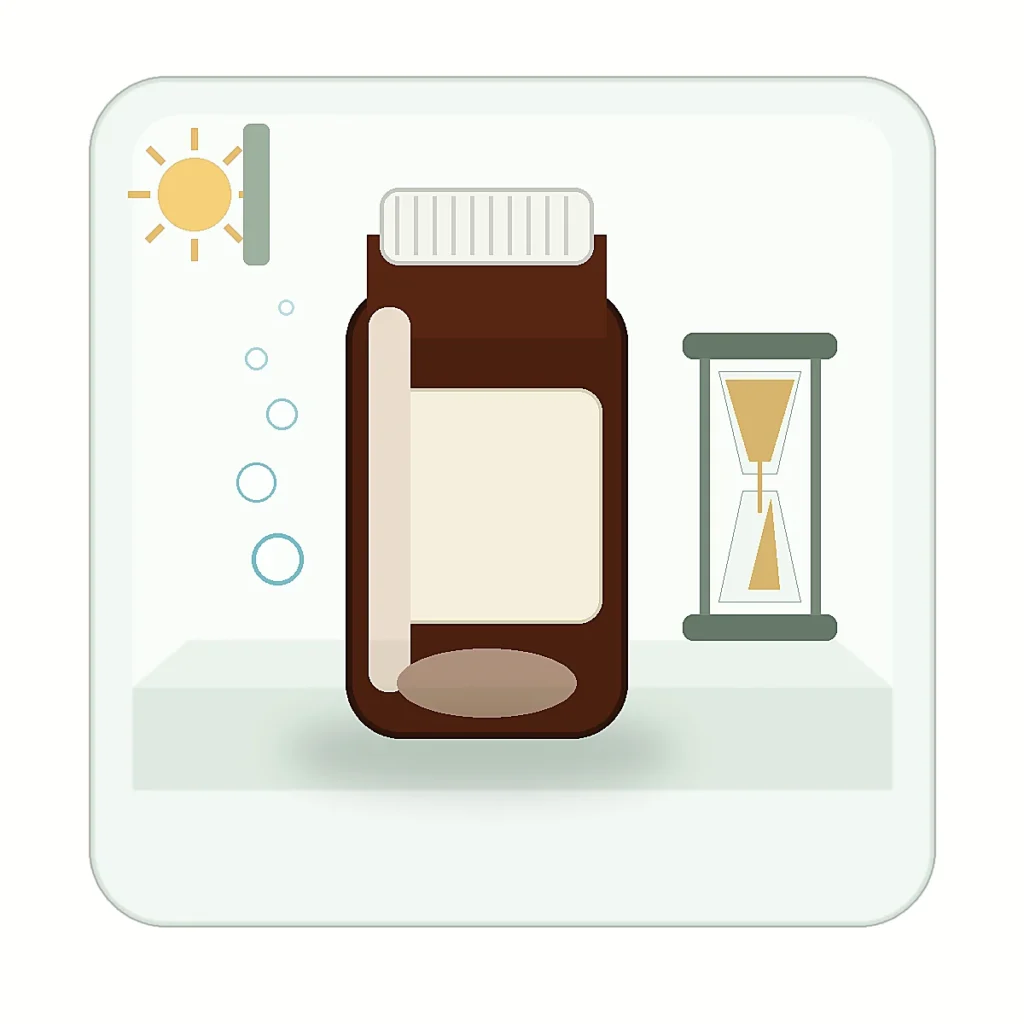
Hydrogen peroxide breaks down when exposed to air and light. Once mixed with baking soda, it gradually loses effectiveness.
So while you can store it briefly in a sealed container, fresh batches work much better.
This isn’t one of those giant Costco-sized DIY cleaners you prep for the apocalypse.
Small batches are smarter.
Is This Better Than Store-Bought Cleaners?
Sometimes yes. Sometimes absolutely not.
Here’s the honest answer people rarely give:
If you need quick everyday stain removal or gentle scrubbing, this DIY cleaner works beautifully.
If you’re dealing with:
- black mold
- severe grease buildup
- disinfecting after illness
- industrial-level grime
…you may need stronger products.
But for ordinary family messes? It’s surprisingly effective, affordable, and easy to make with ingredients already sitting in your cabinet.
That’s probably why this trick has lasted so long.
Verdict
So, can I mix hydrogen peroxide and baking soda for cleaning?
Absolutely.
And for the right situations, it works incredibly well.
It’s one of those simple cleaning tricks that feels oddly satisfying because you can literally watch stains loosen while you stand there in pajama pants holding coffee. No fancy gadgets. No overpowering perfume smell. No twenty-step cleaning routine that requires motivational speeches beforehand.
Just a simple homemade cleaning solution that helps tackle real-life messes.
Will it solve every cleaning problem in your house? Definitely not.
But for grimy grout, stained sinks, bathroom buildup, and everyday family chaos, it’s honestly worth trying.
Especially on those days when the mess feels louder than your patience.
FAQs
Is it safe to mix hydrogen peroxide and baking soda?
Yes, it’s generally considered safe for household cleaning when used properly. Just avoid mixing it with bleach, ammonia, or vinegar in the same container. Always test delicate surfaces first because peroxide can sometimes lighten colors.
Can hydrogen peroxide and baking soda remove carpet stains?
Sometimes, yes. It can work well on fresh stains, especially pet accidents or food spills. Just spot test first because peroxide may bleach darker carpets or fabrics.
Can I use hydrogen peroxide and baking soda on clothes?
You can on some white or light-colored fabrics, but be careful. Hydrogen peroxide may fade darker clothing, so testing a hidden area first is always smart.
How long can I store this mixture?
Not very long if you want maximum cleaning power. Fresh mixtures work best because peroxide breaks down over time once exposed to air and light.
Does it leave any smell?
Usually no strong smell lingers. The scent is mild compared to many commercial cleaners and fades pretty quickly after cleaning.
How long should I leave the mixture on a surface?
For most surfaces, about 5 to 15 minutes works well. Tough grout stains may benefit from a slightly longer wait before scrubbing.
Can you store hydrogen peroxide and baking soda mixture?
You can temporarily store it in a sealed container, but it gradually loses effectiveness. Small fresh batches are usually the better option.
What should you not mix with hydrogen peroxide?
Avoid mixing hydrogen peroxide with bleach, ammonia, or vinegar in the same container. Those combinations can create irritating or harmful reactions.