


Affiliate Disclosure
This article may contain affiliate links. If you purchase through these links, we may earn a small commission at no additional cost to you. As an Amazon Associate, we earn from qualifying purchases.
Many homeowners choose quartzite because it combines stunning Natural beauty with impressive durability. The problem starts when people search for eco-friendly cleaning methods and assume vinegar is safe for every surface. Unfortunately, what works on windows, sinks, and appliances doesn’t always work on stone countertops.
Before going further, here’s an important distinction: Quartzite is a natural stone formed in the earth, while quartz countertops are an engineered stone made from crushed quartz and resins.
I’ve seen homeowners spend thousands on beautiful countertops only to unknowingly use the wrong cleaner for years. The damage doesn’t happen overnight. Instead, the surface gradually loses some of its original appearance, leaving people wondering what went wrong.
Is Vinegar Safe for Quartzite?
Vinegar is not safe for quartzite countertops because it is acidic and can slowly harm the surface over time. It may not cause immediate damage if used once, but using it again and again can make the stone lose its shine and weaken the protective layer.
Quartzite is strong, but it is still not fully safe from acidic cleaners. For regular cleaning, it is better to use warm water with mild soap or a cleaner made for natural stone.
💡 Tip
Accidentally used vinegar on quartzite one time? There’s usually no need to worry. Rinse the surface thoroughly with clean water and continue using a cleaner designed for natural stone.
Why Can’t Vinegar Be Used on Quartzite?
The issue comes down to acidity.
Vinegar contains acetic acid, which is why it works so well for removing mineral deposits and cutting through grime. However, that same acidic property can become a problem when used repeatedly on natural stone surfaces.
Quartzite is often described as extremely tough, and that’s true. It offers excellent durability and better acid resistance than marble. Still, most quartzite countertops rely on sealers to protect against staining and moisture absorption.
Repeated exposure to acidic products may:
- Wear down protective sealers
- Reduce surface shine
- Increase susceptibility to staining
- Create dull spots over time
- Shorten maintenance intervals
Many homeowners hear that vinegar is a green cleaner and assume it’s universally safe. The reality is that even Natural cleaning products must match the material they’re being used on.
The same caution applies to lemon, citrus-based sprays, and other acidic household cleaners. Even fruit juice spills should be wiped up promptly rather than left sitting on the countertop.
What About Quartz Countertops?
People often confuse quartzite and quartz.
While quartz countertops contain natural quartz minerals, they are an engineered stone made with resins and pigments. Vinegar generally isn’t recommended for these surfaces either because it can affect the resin binders that help hold the countertop together.
That’s why professionals often advise against using vinegar on either material.
7 Safe Alternatives That Won’t Ruin Your Counters
1. Warm Water and Mild Dish Soap
For everyday cleaning, nothing beats simplicity.
A few drops of mild dish soap mixed with warm water can remove grease, crumbs, and everyday kitchen messes without harming the countertop.
This remains one of the safest cleaning routines for busy households.
2. pH-Balanced Stone Cleaner
Recommended
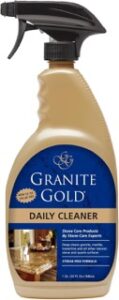
Granite Gold Daily Cleaner
Why We Recommend It
If you'd rather skip homemade solutions, Granite Gold Daily Cleaner is a safe choice for quartzite. Its pH-balanced formula cleans without damaging the stone's protective sealer, making it ideal for everyday countertop care.
Stone-specific cleaners are designed to clean without affecting sealers.
Many homeowners overlook these products because they seem expensive, but a single bottle often lasts months since only a small amount is needed for each cleaning session.
3. Microfiber Cloth and Water
Recommended
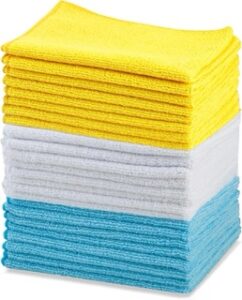
Amazon Basics Microfiber Cleaning Cloths
Why We Recommend It
A quality microfiber cloth is just as important as the cleaner you use. Amazon Basics Microfiber Cleaning Cloths lift dust and residue without scratching quartzite, helping maintain a streak-free, polished finish.
Sometimes the best solution is also the easiest.
Most daily dust, fingerprints, and food residue can be removed using a damp microfiber cloth without introducing unnecessary chemicals to the surface.
4. Stone-Safe Cleaning Sprays
Many manufacturers now produce stone-safe sprays specifically designed for quartzite, and these products clean effectively while helping preserve the finish and protective seal.
When choosing cleaning sprays, always verify that they are intended for natural stone.
Quartzite and quartz aren’t the same. If your countertop is quartz, don’t miss our guide to the best cleaner for quartz countertops before you start cleaning.
5. Isopropyl Alcohol Solution
A diluted alcohol solution can help with sanitizing without exposing the surface to harsh acidic cleaners.
Many stone professionals recommend isopropyl alcohol for occasional use for deeper cleaning when necessary.
6. Natural Stone Wipes
Convenient wipes designed for stone surfaces offer quick cleanup after cooking.
They’re especially useful for families who want fast maintenance without worrying about mixing cleaning solutions.
7. Specialized Quartzite Cleaners
Especially if you are purchasing an extravagant countertop, a cleaner made for quartzite is simply extra assurance.
Since they’re made to meet the unique needs of all quartzite stones, these typically become some of the safest cleaning products for quartzite stone.
💡 Tip
The strongest cleaner is not always the safest for cleaning. With quartzite, gentle, consistent cleaning yields better long-term results than aggressive scrubbing.
How Do You Clean Quartzite Properly?
Many homeowners ask how do you clean quartzite because they want a simple routine that protects their investment.
A practical maintenance routine looks like this:
- Remove crumbs and loose debris.
- Wipe the surface with warm water.
- Apply a pH-balanced stone cleaner if needed.
- Use a microfiber cloth for cleaning.
- Dry the countertop after wiping.
- Clean spills immediately.
- Reseal according to manufacturer recommendations.
I’ve noticed that homeowners who follow this simple process rarely experience the staining and dullness that often lead to expensive restoration work later.
💡 Tip
If water stops beading on the surface and begins soaking in quickly, it may be time to reseal your countertop.
Final Words
The answer is simple: vinegar is not the best choice for quartzite countertops.
While many people love vinegar as an environmentally friendly cleaner, its acidic nature makes it less suitable for premium stone surfaces. The goal isn’t just cleaning today’s mess—it’s preserving your countertop’s appearance for years.
Warm water, mild soap, microfiber cloths, and pH-balanced stone cleaners provide safer alternatives without risking the beauty of your investment.
If you’ve invested in quartzite because of its stunning appearance and long-lasting durability, a gentle cleaning routine is one of the easiest ways to protect that investment.
For more household cleaning advice, you can also explore Vinegar for Cleaning and learn about various Vinegar benefits in different cleaning situations where vinegar is actually the right tool for the job.
FAQ
Can you use vinegar on quartzite countertops?
No, vinegar is generally not recommended. Occasional accidental use is unlikely to cause immediate damage, but repeated exposure may affect sealers and surface appearance.
Does vinegar damage quartzite?
It can contribute to long-term wear rather than immediate visible damage. The primary concern is its effect on protective sealers and surface finish.
What cleaner is safe for quartzite?
Mild dish soap, warm water, pH-balanced stone cleaners, and products specifically designed for natural stone are among the safest choices.
Can you clean quartzite naturally?
Yes. Warm water, microfiber cloths, and gentle soap provide an effective natural cleaning routine without exposing the stone to harsh chemicals.
Is quartzite resistant to acids?
Quartzite has better resistance than many natural stones, but it is not completely immune to acidic substances and still benefits from proper care.
Can vinegar discolor quartzite?
Direct discoloration is uncommon, but long-term use may contribute to dullness, sealer deterioration, and changes in the surface’s overall appearance.













Best Eufy Robot Vacuum and Mop: 7 Models Compared
Similar docks can hide very different cleaning compromises. Find the e…
Eufy X10 Pro Omni Robot Vacuum and Mop Review: What to Know Before Buying
An automatic dock can save work, but it cannot settle the question of …
Eufy Omni S2 Robot Vacuum Review: Worth the Premium?
Is a premium robot worth paying more for when there is still maintenan…
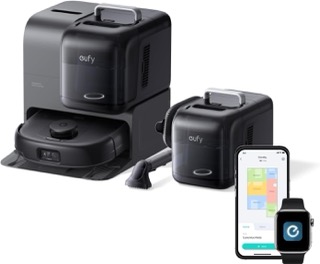
Eufy E28 Review: Is the Built-In Spot Cleaner Worth It?
A robot cannot clean a spill on your sofa, but the E28 includes a sepa…
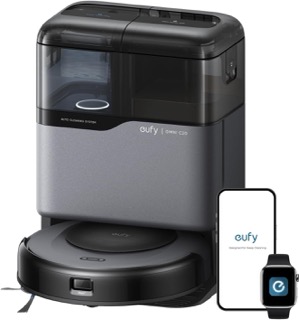
Eufy Omni C20 Robot Vacuum and Mop Combo Review: Worth It?
Less mopping sounds appealing, but how much maintenance remains? This …
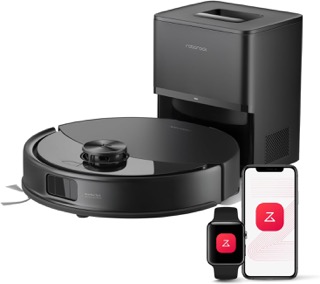
Roborock Q10 S5 Plus Review: Is the Auto Empty Dock Worth It?
Tired of emptying the robot’s dustbin after every cleaning run? This…
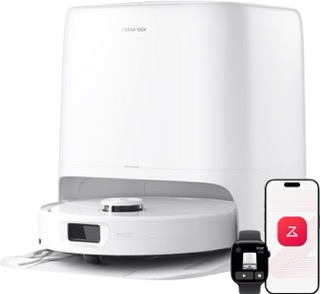
Roborock Qrevo 2 Pro Robot Vacuum Review: Worth Buying?
How much cleaning work will this robot actually take off your hands? O…
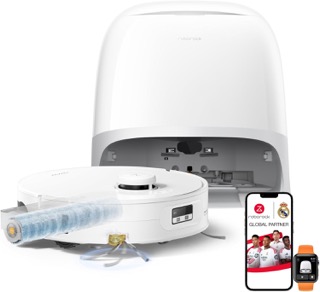
Roborock Qrevo Curv 2 Flow Robot Vacuum Review: Worth Buying?
Still deciding whether a roller mop is worth the upgrade? This Roboroc…
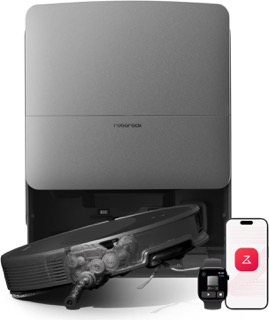
Roborock Saros 20 Robot Vacuum Review: Is It Worth Buying?
Still rescuing your robot from thresholds and tangled hair? This Robor…
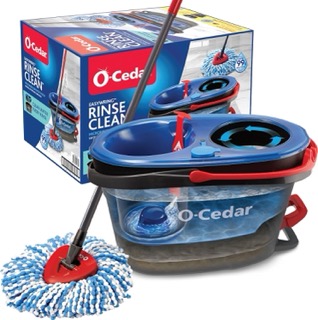
O-Cedar EasyWring RinseClean Spin Mop System Review: Worth Buying?
Does separate clean water make mopping easier? Explore the O-Cedar Eas…
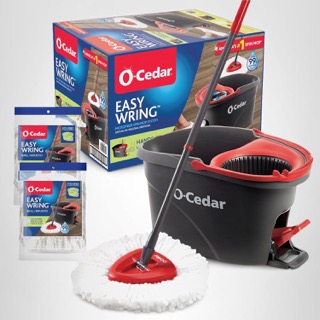
O-Cedar EasyWring Spin Mop Review: Is It Worth Buying?
Does easier wringing make the O-Cedar EasyWring spin mop worth buying?…
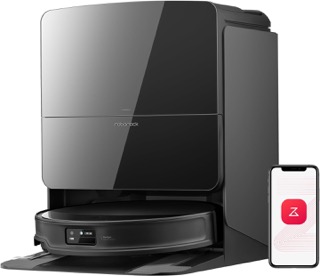
Roborock Saros 10R Robot Vacuum Review: Is It Worth the Premium Price?
Is the Roborock Saros 10R worth its premium price? This in-depth revie…