

This article may contain affiliate links. If you purchase through these links, we may earn a small commission at no additional cost to you. As an Amazon Associate, we earn from qualifying purchases.
Saturday morning, sunshine blasting through the glass, should be nice, right? Except nope. All you see are streaks and fingerprints everywhere. You grab a store-bought spray, thinking you’ll fix it. Two seconds later, the house reeks like chemicals, and your eyes are watering.
You don’t need those overpriced bottles to see out your window. People everywhere are switching to a natural window cleaner recipe. It’s cheap, safe, and works better than you’d expect.
I used to roll my eyes at this stuff too. DIY cleaners sounded like a Pinterest fail. But mixing my own? Easy. A few ingredients and boom: spotless glass, no headache. Ready to ditch the chemicals and enjoy your view?
So let’s start!!
Why Make Your Own Window Cleaner?
Making your own cleaner at home has many benefits, first off, you actually know what’s in the bottle, no sketchy chemicals, no secret weirdness lurking in the fine print. half the store-bought stuff smells like a science experiment gone wrong.
Read More: Homemade Window Cleaner With Vinegar
Ammonia? Synthetic scents? Hard pass. My nose can’t handle that, and honestly, who wants to mop their floors and end up with a migraine? Not me. And yeah, you’ll save a few bucks, but the real win is ditching all the junk that messes with your head or skin.
Here is a quick comparison between homemade and store-bought options
| Feature | Homemade Cleaner | Store Bought Cleaner |
| Cost | About $0.50 per bottle | $4 to $6 per bottle |
| Ingredients | Simple household items | May include ammonia, dyes, and solvents |
| Safety | Non-toxic and safe for kids and pets | Can irritate eyes or lungs |
| Effectiveness | Excellent when mixed correctly | Consistent but chemical-heavy |
Most people don’t realize that a simple recipe for cleaning windows made with a few pantry staples can actually outshine the pricey store stuff. It’s true. With the right mix, you can get streak-free glass without the harsh fumes or plastic waste. Plus, homemade cleaners are eco-friendly, totally customizable, and gentle enough for everything from bathroom mirrors to big sliding doors
Tip: Always label your homemade cleaning bottles with the date you made them. This small step helps track freshness and ensures the solution stays effective.
The Best Homemade Window Cleaner Recipe (Simple and Streak Free)
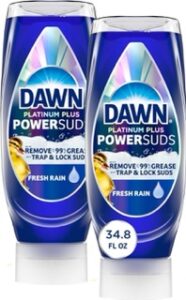
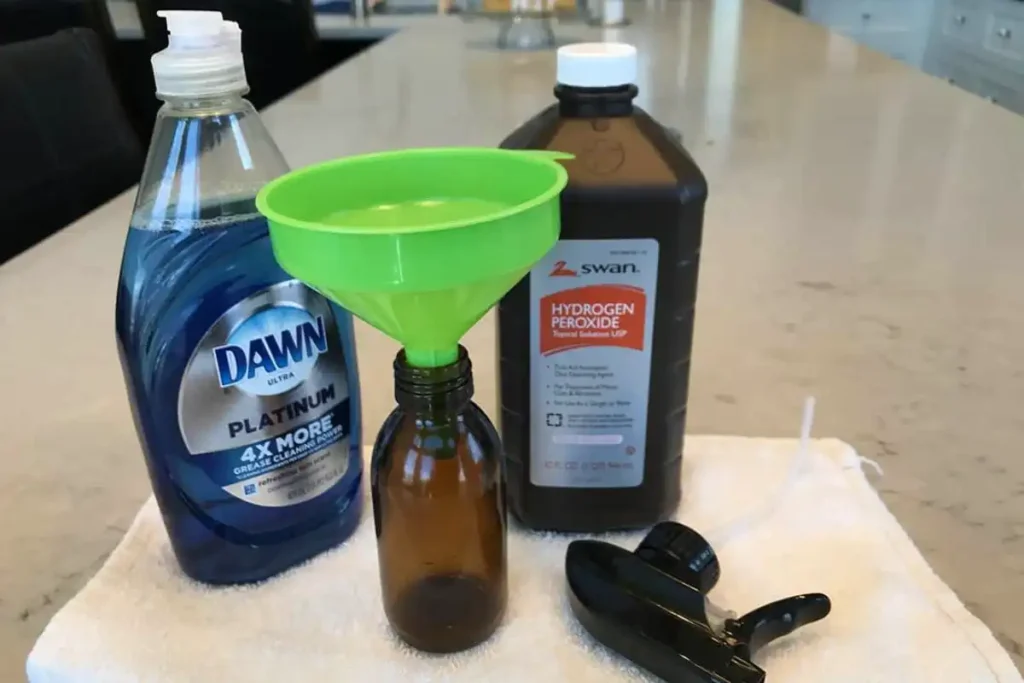
Dawn Platinum Dish Soap
✔ Cuts through grease fast.
✔ Great for DIY glass cleaners.
✔ Only a few drops needed.
✔ Helps reduce streaks.
✔ Trusted household favorite.
💡 Tip:
Use just a few drops in your homemade window cleaner to avoid residue.
This homemade window cleaner recipe is tested, effective, and quick to make. It uses ingredients most homes already have, and the ratio is perfectly balanced for streak-free results.
Ingredients
- 1 cup distilled water
- 1 cup white vinegar
- ½ cup rubbing alcohol (isopropyl 70 percent)
- Optional: 1 or 2 drops of Dawn dish soap or a few drops of essential oil like lemon or lavender
The vinegar window cleaner recipe is known for cutting grease and dissolving dirt. The alcohol helps it dry quickly without streaking. Adding a touch of Dawn creates a window cleaner recipe with Dawn that handles fingerprints and oily marks easily.
Directions
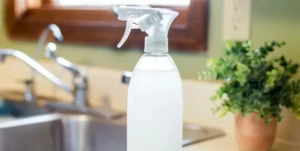
- Pour all ingredients into a clean spray bottle.
- Shake gently before each use.
- Spray a light mist over the glass surface
- Wipe in circular motions using a microfiber cloth or coffee filter.
- Buff dry until clear.
Tip: Always use distilled water. Tap water can leave behind mineral spots that cause streaks, especially in hard water areas.
If you enjoy a pleasant fragrance, you can add a few drops of essential oils like lemon, peppermint, or lavender. These not only help reduce the vinegar smell but also bring light antibacterial benefits.
How It Works: The Science Behind Each Ingredient
Knowing why your cleaner works helps you perfect it. This window cleaning solution recipe relies on chemistry that is both simple and effective.
- Vinegar: The acetic acid in vinegar breaks down mineral deposits and soap scum. That’s why any vinegar window cleaner recipe can handle grime and hard water spots easily.
- Rubbing Alcohol: It evaporates quickly, which helps your windows dry faster without leaving streaks. It also acts as a disinfectant.
- Dawn Dish Soap: Dish soap contains surfactants that loosen dirt and grease so they can be wiped away cleanly.
This formula is free of ammonia, making it safe for tinted, coated, or decorative glass where traditional cleaners may cause damage or clouding.
Ingredient Substitution Chart
Here is a chart on what you can use alternatively if you don’t have vinegar, alcohol, or Dawn.
| Ingredient | Substitute Option | Best Use |
| White Vinegar | Lemon juice | Adds a fresh scent and mild acidity |
| Rubbing Alcohol | Vodka | Works similarly and helps with quick drying |
| Dawn Dish Soap | Castile soap | Natural and gentle for chemically sensitive homes |
Tip: If you don’t like the smell of vinegar, mix it with lemon juice or add a few drops of eucalyptus oil. It neutralizes the odor completely.
DIY Variations for Different Needs
No two homes are alike, and your cleaner doesn’t have to be either. Here are some tweaks based on what you need most.
For a Streak-Free Finish
Add rubbing alcohol to help your solution dry faster, perfect for sunny days or large windows.
For Chemical-Free Homes
Mix vinegar with lemon juice instead of alcohol or soap. It smells fresh and stays gentle on the skin.
For Extra Dirty Outdoor Windows
Try a mild ammonia window cleaner recipe by adding one tablespoon of ammonia to a gallon of warm water. Wear gloves, and never mix ammonia with vinegar or bleach.
For Pet Safe or Baby Safe Cleaning
Skip essential oils and ammonia. Stick with plain vinegar and distilled water. It’s the safest option for homes with little ones or pets.
Tip: I use the pet safe version on glass doors; it wipes away nose smudges and fingerprints effortlessly.
Pro Tips for Streak-Free Results (Tested at Home)
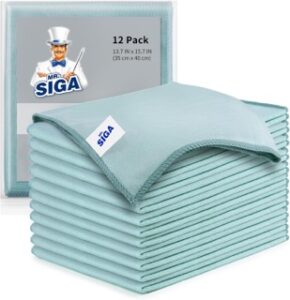
MR.SIGA Microfiber Glass Cleaning Cloths
✔ Wipes away streaks with ease.
✔ Gentle on glass surfaces.
✔ Reusable and machine washable.
✔ Works with any DIY glass cleaner.
✔ Delivers a crystal-clear finish on glasses.
💡 Tip:
Pair these cloths with your homemade window cleaner for the best streak-free results.
After years of cleaning, these simple tweaks make all the difference.
- Clean windows on a cloudy day, sunlight dries cleaner too fast.
- Use a microfiber cloth or even a coffee filter for lint-free wiping.
- Always clean top to bottom.
- Spray less, wipe more.
Tip: For mirrors, buff dry in circular motions for that perfect hotel bathroom shine.
How to Fix Streaks Fast
If you spot streaks afterward, just spray a quick 1:1 mix of vinegar and water, then wipe again with a dry cloth. It removes residue instantly and restores clarity.
Common Mistakes to Avoid
Even the best recipe for cleaning windows won’t work if you’re making these common mistakes.
- Using hard water
- Mixing vinegar with bleach or hydrogen peroxide (dangerous combo)
- Overspraying glass
- Cleaning in direct sunlight
Tip: Never mix vinegar, ammonia, or bleach; it creates toxic fumes. Always choose one base ingredient per recipe.
How to Store Your Homemade Window Cleaner
Your homemade window cleaner recipe has a decent shelf life, think two or three months, give or take, as long as you stash it right. Just keep that bottle screwed on tight and don’t let it sit baking in the sun.
Add some essential oils? Those are a bit high-maintenance. Use a dark spray bottle if you can. Light messes with oils, and nobody wants sad, useless lavender.
Slap a date on the bottle (trust me, you’ll forget), so you’re not spritzing ancient mystery juice around your house.
Also give it a good shake before using. It’ll probably look a little separated, but that’s totally normal, not a chemistry disaster.
Eco-Friendly Glass Cleaning Hacks
If you love a clean home and a green planet, these ideas are for you.
- Use old newspapers or bamboo towels for zero-waste wiping.
- Collect rainwater for an eco-friendly cleaning option.
- Refill bottles instead of buying new ones.
Tip: Create a zero-waste window cleaning routine, refill, reuse, and recycle. You’ll save money and cut down on plastic waste.
FAQs
What is the best homemade window cleaner recipe without vinegar?
Just take a cup of rubbing alcohol, a cup of distilled water, and mix it with a teaspoon of cornstarch, don’t skip the shake, otherwise you’ll end up with weird chunks floating around. Spritz this stuff on your windows, and bam, that cornstarch does its thing.
Can I use Dawn dish soap in a homemade window cleaner?
Dawn is the tool against grease and fingerprint removal, especially on kitchen windows. Just don’t go overboard; a couple of drops is plenty. Mix it with distilled water and a splash of rubbing alcohol, and bam, suddenly you’re a wizard with a spray bottle. Dries fast, too, so you’re not stuck waiting for the windows to clear up
How do I make a streak-free window cleaner that actually works?
Take some distilled water and mix it with a little rubbing alcohol. Don’t go wild, just enough. Stuff’s gonna dry a heck of a lot faster, trust me. Wipe down whatever you’re cleaning with one of those microfiber cloths (the good ones, not that cheap junk that sheds everywhere and makes you wanna scream).
Is vinegar or ammonia better for cleaning windows?
Both are good, but the vinegar is safe for indoor use around children or pets. Ammonia is best to quickly break up heavy outdoor grime, but it is the stronger and more odorous one. Use the vinegar for occasional light day-to-day cleaning and ammonia only for heavy outdoor cleaning.
Can I store my window cleaner with vinegar for a long time?
It’ll hang in there for like 2 to 3 months, as long as you store it in a sealed bottle and keep it away from direct sunlight. Mix some necessary oils, better take a dark spray bottle. Give it a good shake before you use it, too. If it separates a bit, no stress, that’s just how it goes.
Why do my homemade window cleaners leave streaks?
It’s almost always hard water, too much spray, or using a crusty rag. Grab distilled water, a microfiber cloth, and go easy on the spray. Less spritzing, more wiping. Trust me, your surfaces will thank you.
Conclusion
You know that feeling when you finally step back, bottle still swinging from your wrist and the sun hits the glass just right?, No streaks, no smudgy weirdness, just blindingly clean windows you want to brag about.
The best part is not even how cheap it is you’ll spend more on a coffee. It’s the smell of that eye-watering chemical funk and the fact that, hey, you didn’t poison the atmosphere just to see outside.
Even if you’re a ride-or-die vinegar fan, obsessed with that Dawn grease-busting magic, or you swear by rubbing alcohol for the sparkle, mix up your own homemade window cleaner recipe, or make the best homemade window cleaner and go wild.
Go on, give it a shot. You might actually want to clean your windows now, just to see how ridiculous the world looks through spotless glass.