

This article may contain affiliate links. If you purchase through these links, we may earn a small commission at no additional cost to you. As an Amazon Associate, we earn from qualifying purchases.
Granite countertops are beautiful and make a home more functional, but the last thing any homeowner wants to do is use the wrong products for cleaning granite and end up damaging the stone. Fortunately, without shelling out for top dollar specialty products, a Homemade cleaner for Granite can have your surfaces tidy, gleaming and anchored!
What I have noticed is that many people, if the cleaner has a strong fragrance, assume it to work better. And, in reality, many granite countertops are actually better off with simple ingredients that you have around the house for cleanings. One of the biggest mistakes that homeowners can make is using acidic or strong products that are not suitable for natural stone.
This is a guide that will teach you which ingredients are 100% safe, what to keep away from granite, how to create an effective homemade cleaner and then general maintenance tips so your granite countertops look stunning for many years.
Why Use a Homemade Cleaner for Granite?
Store-bought cleaners can work well, but many contain fragrances, additives, or chemicals that aren’t necessary for everyday granite care.
Using a DIY granite cleaner offers several advantages:
- Costs less than specialty stone products
- Uses simple household Ingredients
- Reduces exposure to unnecessary chemicals
- Allows you to control exactly what touches your countertops
- Helps maintain the natural finish of granite
- Works for daily cleaning and light disinfecting
One thing I’ve noticed in homes with beautiful granite surfaces is consistency. Owners who clean gently and regularly often have countertops that look newer than granite surfaces cleaned aggressively with strong chemicals.
Tip: Granite doesn’t need heavy-duty cleaning every day. Most of the time, wiping spills quickly and using a gentle cleaner prevents buildup better than occasional deep scrubbing.
Ingredients Safe for Granite Cleaning
Granite is durable, but it still benefits from products that support its natural protective seal.
The safest cleaners are typically pH-neutral, meaning they aren’t overly acidic or alkaline.
Best Ingredients for Granite
Distilled Water
The base for most DIY granite cleaners is distilled water. It is more effective at preventing streaks and residue than tap water, because it contains fewer minerals.
Castile Soap
It only takes a small amount of castile soap to remove grease and food residue without destroying protective sealants. It is one of the mildest cleaning agents available.
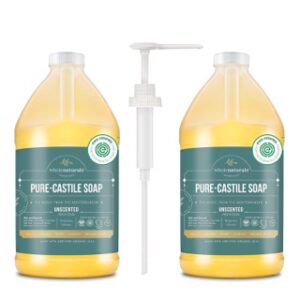
WHOLENATURALS Organic Unscented Castile Soap
DIY granite cleaners, countertops, kitchens, and everyday household cleaning.
Why We Like It:
Made with organic plant-based ingredients, this gentle castile soap cleans granite without leaving a dull residue, making it ideal for homemade granite cleaner recipes.
✔ Pros
1. USDA Organic & unscented
2. Gentle on natural stone
3. Highly concentrated formula
✘ Cons
1. Requires dilution before use
2. Costs more than regular dish soap
Reduce streaks while helping countertops dry faster with rubbing alcohol that evaporates quickly for sanitized surfaces.
Mild Dish Soap
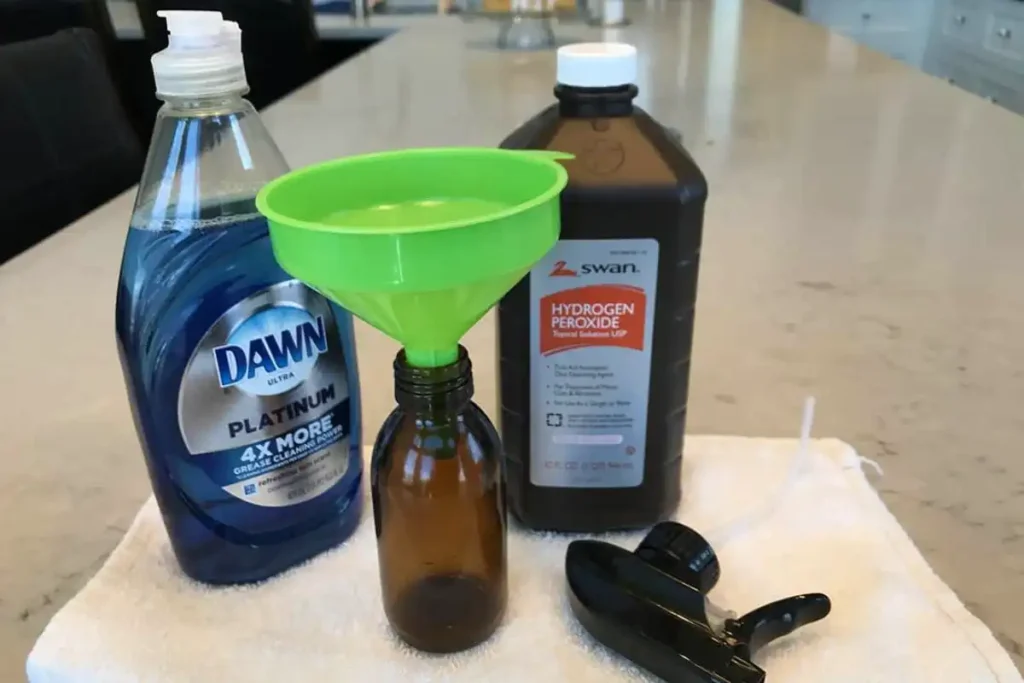
Just a few drops can be used to clear up those common kitchen messes. The moderation is the key here as too much soap might make a dull layer.
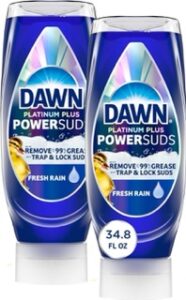
Dawn Platinum PowerSuds Dish Soap
Daily granite cleaning, grease removal, and homemade granite cleaner recipes.
Why We Like It:
A few drops are all you need to cut through grease and food residue. When diluted properly, it's a gentle option for everyday granite countertop cleaning.
✔ Pros
1. Powerful grease-cutting formula
2. Highly concentrated
3. Easy EZ-Squeeze bottle
✘ Cons
1. Not meant for undiluted use on granite
2. Scented formula may not suit everyone
Essential Oils (Optional)
They add a few drops of lemon, lavender, or peppermint oil for aroma. They are not a must, but they will help to refresh the kitchen after cleaning.
Over-cleaning granite surfaces will cause more problems than under-cleaning. Sometimes simple is better than a complex blend of ingredients.
Ingredients to Avoid
Certain products can slowly damage granite’s finish and reduce its shine over time.
Avoid using:
- Vinegar
- Lemon juice
- Citrus-based acidic cleaners
- Bleach in high concentrations
- Ammonia-based products
- Abrasive scrubbing powders
- Steel wool pads
- Glass cleaners containing harsh chemicals
These products may weaken protective sealers, dull the surface, or affect the natural appearance of the stone.
Even though many DIY cleaning websites recommend vinegar for household cleaning, granite is one surface where it generally isn’t the best choice.
Easy Homemade Cleaner for Granite Recipe
If you’re looking for a simple granite recipe that works for daily cleaning, this is one of the easiest options.
DIY Granite Cleaner Recipe
Ingredients:
- 2 cups distilled water
- 1 tablespoon rubbing alcohol
- 4–5 drops castile soap
- Spray bottle
Instructions:
- Pour the distilled water into a clean spray bottle.
- Add rubbing alcohol.
- Add castile soap carefully.
- Shake gently to combine ingredients.
- Spray lightly onto granite surfaces.
- Wipe with a microfiber cloth.
- Buff dry for extra shine.
This simple Natural Granite Cleaner works well for routine maintenance and light disinfecting.
Microfiber lifts dirt without scratching the stone and leaves fewer streaks than paper towels.
10 Ways to Clean Granite Countertops Properly
Proper technique often matters more than the cleaning solution itself.
1. Wipe Spills Immediately
Coffee, juice, cooking oil, and sauces can leave stains if they remain on the surface too long. Quick cleanup helps preserve the countertop’s appearance.
2. Use Soft Microfiber Cloths
Soft cloths remove dirt effectively while protecting the polished finish. Rough scrubbers can gradually dull the surface over time.
3. Spray Lightly
Avoid soaking granite with excessive liquid. A light mist provides enough cleaning power while minimizing moisture exposure.
4. Clean Daily in Busy Kitchens
In active households, daily wiping prevents grease and food particles from accumulating around sinks, cooktops, and preparation areas.
5. Dry After Cleaning
Even clean water can leave spots if allowed to air dry repeatedly. A quick buff helps maintain a polished appearance.
6. Use Cutting Boards
Granite is strong, but cutting directly on the surface may dull knives and increase wear on countertop sealers.
7. Place Hot Items Carefully
Granite handles heat well, but trivets and mats provide extra protection and help preserve long-term appearance.
8. Avoid Excessive Soap
Too much soap can create a cloudy film that makes countertops appear less shiny even when they’re technically clean.
9. Test New Products First
Whenever using a new cleaner, try it on a small hidden section before applying it across the entire countertop.
10. Re-Seal When Needed
Most granite surfaces benefit from periodic sealing. Water absorption tests can help determine when resealing may be necessary.
Place a few drops of water on the countertop. If the water absorbs quickly instead of beading up, the seal may need attention.
Benefits of Natural Granite Cleaners
Natural granite cleaner is undoubtedly the most common option as it offers an easy approach at a low cost for maintaining granite surfaces. Most of these home remedies employ standard, non-harmful household products that clean neither hard stone surfaces nor the air we breathe This prevents our more porous DNA from disclosing unnecessary poisons.
Why Homeowners Prefer Them
The biggest advantage is that effective natural cleaners are generally safe on granite and help to preserve the finish of stones when used correctly. They are also inexpensive because most of the items are already at home.
Simple, homemade formulas are often less likely to leave a residue than heavily scented store-bought versions. They also aid in preserving the naturally shiny surface of the stone, and making regular cleaning a breeze.
Granite cleaners sometimes use ingredients that are good for other house cleaning purposes too, even though you usually take care of places like quartz differently.
Common Granite Cleaning Mistakes
Many countertop issues stem from simple mistakes rather than poor-quality stone.
Common problems include:
- Using acidic cleaners regularly
- Allowing spills to sit overnight
- Scrubbing aggressively
- Using dirty cleaning cloths
- Applying excessive soap
- Skipping routine maintenance
- Ignoring sealing needs
Most of these problems are easy to prevent with a simple cleaning routine.
Final Words
You do not necessarily need expensive ingredients or complicated instructions to make a good granite cleaner at home!
In general, simple is effective and the best combination is distilled water, a dash of rubbing alcohol and some drops of castile soap. This way they create a mild and efficient product providing auguring long lasting granite lifetime support at the same time more shine and less cleaning!
Homemade solutions usually contain everything that you need for daily upkeep solutions at a reasonable price, which makes them a decent alternative for the owner of homes who seeks to have an affordable and functional measurable method of cleaning.
Focus should be on safe ingredients, avoiding harsh chemicals and developing a routine for regular cleaning.
Frequently Asked Questions
What is the best homemade granite cleaner?
One of the easiest homemade options is just a mixture of distilled water, rubbing alcohol and a few drops of castile soap. Getting it clean and that too, being gentle to granite as well.
Can I use vinegar to clean granite countertops?
The vinegar is acidic and can slowly ruin the protective sealer in granite countertops. In general, pH balanced solutions work better for providing a normal cleaning.
Is dish soap okay for granite?
A small amount of mild dish soap is also safe to be used. But overusing will create deposits that dull the shine of your countertop.
How regularly should granite tops be cleaned?
Wipe down daily, render into busy kitchens. Cleaning regularly stops build-up of grease, food and stains on your grills.
What NOT To Use When Cleaning Granite Counters
Never use any acidic products, abrasive powders, harsh chemicals–or hard scrubbing pads. These products are capable of altering the finish and protective seal.
How to Naturally Make Granite Shine
It is preferable to use only microfiber and excess soap and to dry the surface after cleaning. Routine care ensures the stone retains its natural luster.