


This article may contain affiliate links. If you purchase through these links, we may earn a small commission at no additional cost to you. As an Amazon Associate, we earn from qualifying purchases.
Most people snatch bug spray on sale without thinking about what’s in that bottle. Many sprays are DEET central. That stuff stinks, can torch your skin if you’re sensitive, and it’s risky for kids or pets.
If you’re outdoorsy, you’ll spend a fortune every summer. Why bother when you can whip up your own for less and it won’t smell like chemicals?
Essential oils are the trick. Citronella, eucalyptus, lavender, peppermint, they’re the Avengers of bug defense. Mix a batch of homemade bug spray with essential oils and you’ll smell good while keeping pests away.
1. Homemade Bug Spray with Essential Oils (Main Recipe)
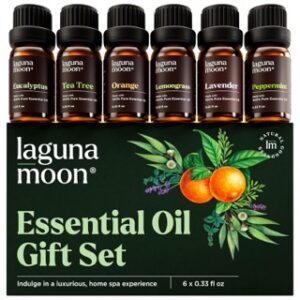
Lagunamoon Essential Oils Set
✔ Includes popular bug-repelling essential oils like citronella, peppermint, eucalyptus, tea tree, and lavender.
✔ 100% pure essential oils are ideal for homemade bug sprays, room sprays, and outdoor repellent blends.
✔ Variety pack lets you experiment with different DIY recipes and scent combinations.
✔ Worth It?
Yes. If you enjoy making homemade bug spray with essential oils, this versatile set gives you several natural oils in one package, making it a convenient and cost-effective choice for DIY insect repellents.
Whipping up your own bug spray at home? Easier than most folks think. Grab distilled water, pour in witch hazel or vodka. Witch hazel keeps oils from floating and is nice on skin. Vodka helps the spray last longer.
Then chuck in essential oils citronella, lavender, or whatever smells good and boom, you’ve got a homemade bug spray with essential oils.
Here’s a go-to recipe you can mix in just a few minutes:
- ½ cup distilled water
- ½ cup witch hazel (or vodka if you prefer longer shelf life)
- 25–30 drops of essential oils (a mix of citronella, lavender, eucalyptus, and peppermint works great)
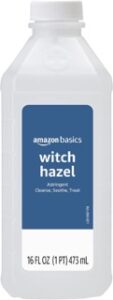
Amazon Basics Witch Hazel Astringent
✔ Helps blend essential oils evenly for a smooth, effective DIY bug spray.
✔ Dries quickly without leaving a sticky or greasy residue.
✔ Large bottle offers great value for making multiple homemade batches.
✔ Worth It?
Yes. If you're making homemade bug spray with essential oils, this witch hazel is an affordable, reliable base that helps create a light, refreshing, and easy-to-apply natural repellent.
Combine all ingredients in a clean spray bottle, shake well, and it’s ready to use. Spray it lightly on exposed skin and clothes before heading outdoors.
Tip: Certain essential oils go after bugs like they’ve got a personal vendetta. Mosquitoes? Citronella and eucalyptus basically tell ’em to buzz off. Flies can’t stand peppermint or lemongrass, it’s like bug kryptonite. And if you’re worried about ticks, geranium and cedarwood are your MVPs. Not magic, but pretty close.
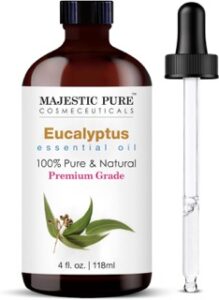
Majestic Pure Eucalyptus Essential Oil
✔ 100% pure eucalyptus oil with a fresh, strong scent that naturally helps repel mosquitoes and other bugs.
✔ Blends easily with witch hazel, carrier oils, and other essential oils for DIY bug spray recipes.
✔ Highly concentrated, so a few drops go a long way in homemade repellents.
✔ Worth It?
Yes. If you're making homemade bug spray with essential oils, this eucalyptus oil is a great choice for adding a natural bug-repelling scent. Its concentrated formula makes it long-lasting and ideal for regular DIY use.
How to Make Homemade Bug Spray with Essential Oils (Step-by-Step)
If you’re new to making natural sprays, here’s a step-by-step guide on how to make homemade bug spray with essential oils.
So lets start:
- Choose your container: Use a dark glass spray bottle to protect the oils from sunlight.
- Add ½ cup witch hazel or vodka to the bottle.
- Pour in ½ cup of distilled water.
- Drop in 25–30 drops of your chosen essential oils.
- Close the bottle tightly and shake to mix.
- Label your spray with the date and ingredients.
- Store it in a cool, dark place.
If you whip up a batch with witch hazel, expect it to hang around for maybe two weeks—tops. Vodka? That’ll stretch it to about a month, give or take. Oh, and don’t forget to give the bottle a good shake before you spritz those oils just love to float away from each other.
Tip: Stash your spray in the fridge. It’ll last longer, plus, blasting your face with a cold mist when it’s a billion degrees outside? Pure bliss, I swear.
2. DIY Essential Oil Bug Repellent Variations
One of the great things about making a DIY essential oil bug repellent is that you can customize it based on your needs. Here are some variations you can try:
2.1 Mosquito Repellent Recipe
- 10 drops citronella
- 10 drops eucalyptus
- 5 drops lavender
2.2 Tick Repellent Recipe
- 10 drops geranium
- 10 drops cedarwood
- 5 drops lemongrass
2.3 Fly and Gnat Repellent Recipe
- 10 drops peppermint
- 10 drops lemongrass
- 5 drops tea tree
If you’ve got kiddos running wild at home, go for gentle blends think lavender and cedarwood. They’re way less likely to freak out sensitive skin. Now, if you’ve got furry friends, seriously, steer clear of tea trees and pennyroyal. Those can really mess up your pets. Stick with cedarwood or lemongrass. They’re way safer for the four-legged crew.
Tip: Making sprays for tiny humans (like, under 3)? Water those oils down big time—use half as many drops as usual. No one wants a rashy meltdown.
Safety Tips and Best Practices
When working with essential oils, safety matters. These are concentrated plant extracts, and a few drops go a long way.
- Always dilute essential oils with water and a carrier like witch hazel before applying to skin.
- Perform a patch test by spraying a small area first and waiting 24 hours to check for irritation.
- Avoid oils like peppermint, rosemary, and eucalyptus on children under 6.
- Keep tea tree and citrus oils away from pets.
It’s not just hippie nonsense; science actually vouches for these oils. The CDC, of all people, gave lemon eucalyptus oil the thumbs up as a legit mosquito repellent. Apparently, it holds its own against those low-dose DEET sprays. Yeah, wild, right? (CDC says no kidding.)
Here’s where most people mess up: they just eyeball the amount of oil. A couple drops short, and you might as well invite the bugs for dinner. Go overboard, though, and your skin’s gonna be mad at you. It’s all about getting that sweet spot in the middle.
How to Use Homemade Essential Oil Bug Repellent for Outdoor Activities
If you’re out camping, hiking, or messing around in the park, you’re putting up a “Bugs Welcome” sign. The good news? Whip up homemade essential oil bug repellent, toss it in your bag, and slap it on whenever bloodsuckers start circling. Reapply every couple hours faster if you’re sweating or running around.
Forgot a spray bottle? Mix essential oils with coconut or jojoba oil and smear it on like lotion, or use a roll-on.
Tip: If you’re out camping, don’t just sit there like bait for creepy-crawlies. Grab that bug spray and hit the tent zipper, maybe spritz the edges of your picnic blanket too. Crawling bugs hate that stuff. Keep ‘em from crashing your chill spot, trust me.
Eco-Friendly and Cost-Saving Benefits
Whipping up your own sprays at home is a game-changer. Not only do you dodge all those sketchy chemicals, but you save a chunk of cash, too. Store-bought repellents run about $8 to $12 for a tiny bottle. What a ripoff.
DIY? You spend maybe two bucks a pop, especially once you’ve stocked essential oils. Those little bottles last forever, dozens of refills before you even think about restocking.
Plus, you’re making the Earth solid. No more tossing plastic bottles every month or spraying who knows what into the air. Your garden, your skin, your conscience all cleaner. A win for your wallet and the planet.
Troubleshooting and Common Questions
A few issues often come up when making DIY sprays:
- Why does my spray separate? Natural oils don’t dissolve in water, so always shake before spraying.
- Why doesn’t it work for me? The effectiveness depends on your blend, environment, and oil quality. Try experimenting with different oils.
- How long does it last? On the skin, about 2–3 hours. In storage, 2 weeks to a month depending on ingredients.
Most people don’t realize that the type of essential oil brand matters. Higher-quality oils are more potent, while cheaper synthetic blends don’t work as effectively.
Conclusion
If you are tired of dropping cash on overpriced bug sprays packed with weird chemicals you can’t even pronounce, just whip up your own homemade bug spray with essential oils. Handful of natural ingredients, a little mixing action, and boom, you’ve got a bug spray that won’t freak out your wallet or your skin.
Even if you’re off on some epic camping trip or just chilling on your porch, these DIY sprays have your back. No more chemical clouds, just simple stuff that actually works. Play around with different oil combos, see what keeps those bloodsuckers away in your neck of the woods, and enjoy a summer without the itch fest. Nature’s got your back, who knew?
FAQs
What essential oils are best for homemade bug spray?
Citronella, eucalyptus, lavender, peppermint, cedarwood, and geranium are among the most effective.
How long does homemade bug spray with essential oils last on the skin?
For sure, just stick with kid-friendly oils like lavender, don’t mess with tea trees or citrus ones, especially if you’ve got pets running around. Those can be bad news for the furry crew.
Is homemade essential oil bug repellent safe for kids and pets?
For sure, just stick with kid-friendly oils like lavender, don’t mess with tea trees or citrus ones, especially if you’ve got pets running around. Those can be bad news for the furry crew.
Can I use vinegar or alcohol instead of witch hazel in DIY bug spray?
Yes, vodka totally works as a preservative kind of wild, right? Vinegar can scare off bugs too, but man, the smell… it’s like your grandma’s salad dressing exploded everywhere. Not exactly subtle.
Does DIY essential oil bug spray really work against mosquitoes?
Totally, those mixes with citronella, lemon eucalyptus, and lavender? They actually work. Not just old wives’ tales, either. Bugs hate that stuff. I mean, you’ll still get the occasional daredevil mosquito, but overall? Way fewer bites.
How do I make a natural bug spray without essential oils?
From forum discussions, some people swear by vinegar steeped with stuff like mint or basil. It’s like, sorta protective (lightweight, honestly), but don’t expect it to pack the same punch as actual essential oils. Still, hey, it smells better than straight-up vinegar, so there’s that.