

Affiliate Disclosure
This article may contain affiliate links. If you purchase through these links, we may earn a small commission at no additional cost to you. As an Amazon Associate, we earn from qualifying purchases.
If you’ve ever wiped your windows for half an hour and still see streaks everywhere, you are not alone. Those store-bought glass sprays? Mostly just overpriced bottles full of weird chemicals that smell like a science experiment gone wrong and can make you sneeze for days.
That’s why homemade window cleaner with vinegar is the real MVP here. It’s cheap and, shockingly, it actually cuts through all that grime and those weird water spots like nobody’s business.
I’ll walk you through why vinegar totally owns when it comes to window cleaning with vinegar, what you’ll need to whip up your own magic potion, a couple of easy-peasy recipes, and how to actually use the stuff so your windows look less like modern art and more like, well, clean glass.
By the end of this, you’ll learn everything about window cleaning with vinegar.
So let’s start!!
What Makes Vinegar So Effective for Cleaning Windows
Honestly, it’s all about that acidity. We’re talking acetic acid and water, nothing fancy, but it gets the job done. It’ll slice through grease, kick stubborn water spots, and melt sticky messes, all without wrecking your glass.
Most folks don’t have a clue that cloudy windows are just hard water minerals. Calcium, mainly. Looks terrible, but cleaning windows with white vinegar eats that stuff.
If you’re gonna clean windows, grab plain distilled white vinegar. None of that dyed nonsense, just the good stuff. People gripe about the smell, but it’s gone before you even put the spray bottle down. As soon as the glass dries, no trace.
Tip: Always choose distilled white vinegar instead of apple cider vinegar, which can leave a tint or sticky residue.
Read More: Homemade Rug Cleaner Recipes
What You’ll Need: Ingredients & Supplies
Before you begin, gather the essentials. Making a window cleaner with vinegar recipe takes only a few ingredients.
Recommended
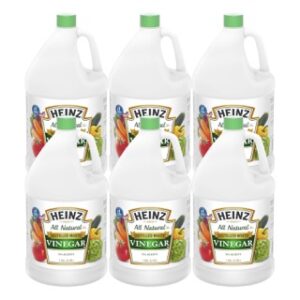
Heinz Distilled White Vinegar (5% Acidity)
Why We Recommend It
✔ Perfect for DIY window cleaners.
✔ Helps remove dirt and grime.
✔ Leaves glass streak-free.
✔ Trusted 5% distilled vinegar.
✔ Great for everyday cleaning.
💡 Tip:
Use this vinegar with distilled water for the best streak-free results.
Essential Ingredients
- White vinegar
- Distilled or filtered water
- Spray bottle
- Microfiber cloth or squeegee
Optional Add-Ins
- A few drops of dish soap for grease
- Rubbing alcohol for quick drying
- Essential oils for fragrance
This is the complete recipe for window cleaner with vinegar. It is simple, flexible, and works for both everyday cleaning and deep cleaning sessions.
Tip: Always prepare your solution in a clean spray bottle. Old residue can reduce effectiveness and even leave streaks.
Recommended
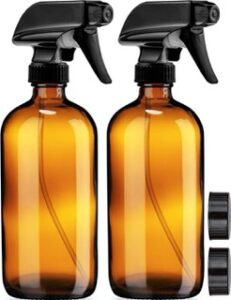
Amber Glass Spray Bottles (16 oz)
Why We Recommend It
✔ Perfect for DIY cleaners.
✔ Durable amber glass.
✔ Fine mist sprayer.
✔ Refillable & reusable.
✔ Includes labels.
💡 Tip:
Ideal for storing your homemade window cleaner.
How to Make Window Cleaner With Vinegar (Step-By-Step Recipe)
Here is exactly how to make window cleaner with vinegar that works every time.
- Take a clean spray bottle.
- Mix equal parts white vinegar and distilled water. For example, one cup of vinegar with one cup of water.
- Shake gently to combine.
- For heavy-duty dirt or grease, add one teaspoon of dish soap.
- If you want faster drying, add half a cup of rubbing alcohol.
- Optional: Add 3–4 drops of lemon or lavender essential oil to soften the vinegar smell.
This basic window cleaner with vinegar recipe will cover most cleaning needs.
Tip: Slightly warm the vinegar before mixing if you are dealing with stubborn grease or sticky spots, as it loosens dirt faster.
Best Way to Use Your Vinegar Window Cleaner
Recommended
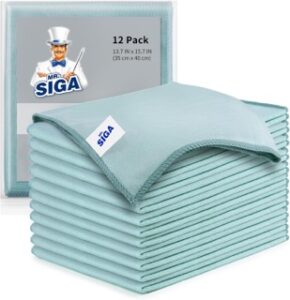
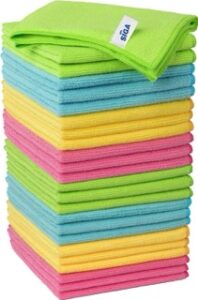
MR.SIGA Ultra Fine Microfiber Glass Cloths
Why We Recommend It
✔ Leaves glass streak-free.
✔ Lint-free microfiber.
✔ Reusable and washable.
✔ Perfect for windows and mirrors.
✔ Works great with DIY cleaners.
💡 Tip: Use a dry cloth to buff the glass after spraying for a crystal-clear finish.
The best results for window cleaning with vinegar come from technique, not just the recipe. Spray a light mist on the glass and wipe with a microfiber cloth or newspaper.
Pro technique tips:
- Clean on a cloudy day to avoid the sun drying the solution too fast and causing streaks.
- Wipe top to bottom to prevent drips.
- Buff with a dry towel (specific for window cleaning) for that polished shine.
In my experience, using vertical strokes on one side of the glass and horizontal strokes on the other makes it easy to see where streaks remain.
Tip: Spray lightly instead of soaking the glass. Using too much cleaner does not make the window cleaner; it just leaves extra liquid behind that dries into streaks. A gentle mist is all you need for a clear, shiny finish.
Extra Power: Vinegar + Alcohol or Dish Soap Versions
Sometimes you need more strength than plain vinegar and water. For that, you can try upgraded versions of homemade window cleaner made with vinegar.
- Fast-Drying Mix: 1 cup vinegar + 1 cup water + ½ cup rubbing alcohol. Best for winter or humid areas.
- Grease-Fighting Mix: 1 cup vinegar + 1 cup water + 1 tsp dish soap. Perfect for kitchen glass or outdoor windows.
I tested both recipes on greasy kitchen glass doors, and the dish soap version worked wonders. That is the power of customizing a window cleaner with vinegar recipe to your home’s needs.
Tip: If you live in an area with hard water, add extra vinegar and use distilled water to prevent streaks.
When Not to Use Vinegar on Windows
While a window cleaner with white vinegar is safe for most glass, there are situations where it should be avoided.
- Do not use it on stone window sills or marble surfaces, as the acid can etch them.
- Avoid wooden frames that are not sealed. Vinegar can soak in and damage the finish.
- Do not use on tinted or coated glass unless approved by the manufacturer.
These exceptions are important. Many homeowners skip this knowledge and end up with surface damage.
Why Windows Still Look Streaky (And How I Fixed It)
Even when cleaning windows with vinegar, streaks sometimes appear. The reasons are usually simple:
- Using too much solution
- Using dirty or linty clothes
- Cleaning under direct sunlight
The fix is straightforward: use less spray, switch to a clean microfiber cloth, and clean in cooler conditions.
Pro Fix: Always keep one dry towel just for buffing after cleaning. This final step ensures a streak-free shine.
Storage and Safety Tips
Your homemade window cleaner with vinegar can last up to three months if stored correctly. Keep it sealed in a cool, dark place.
Important safety reminders:
- Never mix vinegar with bleach or ammonia. That combination releases toxic fumes.
- Store away from direct sunlight to preserve effectiveness.
- Label your bottle with the mix date.
Tip: Add a small label with the ingredients and date; it saves confusion later.
Is Vinegar Safe for Tinted or Coated Glass?
A ton of newer houses in the States have low-E or tinted windows. Don’t go wild with straight vinegar; dilute it one part vinegar to three parts water. Test on a small spot first. Some window brands are picky, so check your window manuals (or warranty before using!).
I’ve used a weak mix of window cleaner with vinegar and wiped carefully, and it’s been fine. Just don’t scrub hard on the glass.
Adjusting the Recipe for Different Seasons
The weather affects how your homemade window cleaner with vinegar performs.
- Winter: Add rubbing alcohol so the solution dries faster and prevents freezing.
- Summer: Increase water to slow evaporation and prevent streaks from quick drying.
- Outdoor cleaning: Always rinse windows with water first to remove dust before spraying your cleaner.
These seasonal adjustments make the recipe more versatile for any climate.
FAQs About Homemade Window Cleaner With Vinegar
Is homemade window cleaner with vinegar really streak-free?
Yes, when applied correctly with microfiber cloths, vinegar leaves a clear, streak-free shine.
Can you use white vinegar for cleaning windows?
Yes, white distilled vinegar is the most effective and leaves no residue.
What is the best ratio for a window cleaner with vinegar recipe?
Equal parts vinegar and water work well for general cleaning. For heavy grease, add dish soap.
How to make a window cleaner with vinegar and dish soap?
Mix one cup of vinegar, one cup of water, and one teaspoon of dish soap.
Will vinegar damage tinted or coated windows?
Only if used undiluted. Always test first with a weaker solution.
Why does my homemade window cleaner with vinegar leave streaks?
Usually because of dirty clothes, direct sunlight, or too much liquid. Reduce spray and buff dry.
Conclusion
Making up your own homemade window cleaner with vinegar is about as easy as it gets. Cheap, too. I mean, why pay for fancy sprays full of who-knows-what when you’ve got vinegar sitting right in your kitchen?
It’s safe, doesn’t trash the planet, and somehow still blasts away all that grime and streaky stuff that collects on glass.
I’ve messed around with a bunch of cleaners, but once you start using vinegar, it’s hard to go back to that overpriced store-bought junk.
Just try it out and follow some basic tips, and your windows will be so clear you might walk into ‘em. All for the price of, like, a cup of coffee.











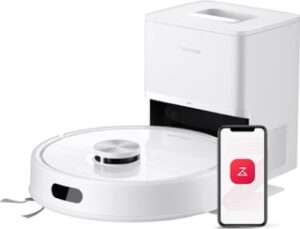
Roborock Saros 20 Robot Vacuum Review: Is It Worth Buying?
Still rescuing your robot from thresholds and tangled hair? This Robor…
O-Cedar EasyWring RinseClean Spin Mop System Review: Worth Buying?
Does separate clean water make mopping easier? Explore the O-Cedar Eas…
O-Cedar EasyWring Spin Mop Review: Is It Worth Buying?
Does easier wringing make the O-Cedar EasyWring spin mop worth buying?…
Roborock Saros 10R Robot Vacuum Review: Is It Worth the Premium Price?
Is the Roborock Saros 10R worth its premium price? This in-depth revie…

Roborock Qrevo S Pro Robot Vacuum Review: Is It Worth Buying?
The Roborock Qrevo S Pro promises less daily vacuuming and mop care. T…

10 Best Roborock Robot Vacuum Models: Which Fits Your Home?
Which Roborock robot vacuum fits your home? Compare 10 models across t…
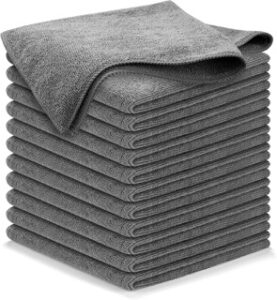
5 Best Microfiber Cleaning Cloths: Which Should You Buy?
Find the best microfiber cleaning cloth for your home. Compare five pi…
USANOOKS Microfiber Cleaning Cloth Review: Is the Grey 12 Pack Worth It?
Considering the USANOOKS grey 12 pack? Explore its size, color choices…

MR.SIGA Microfiber Cleaning Cloth Review: Is the 12 Pack Worth It?
Are MR.SIGA microfiber cleaning cloths worth a spot in your kitchen? T…
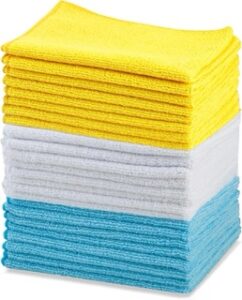
Amazon Basics Microfiber Cleaning Cloths Review: Are They Worth Buying?
Amazon Basics Microfiber Cleaning Cloths provide an affordable 24 pack…
Roborock Q7 M5+ Robot Vacuum Review: Is This Budget Vacuum and Mop Worth It?
Can an affordable robot really vacuum, mop and empty itself effectivel…
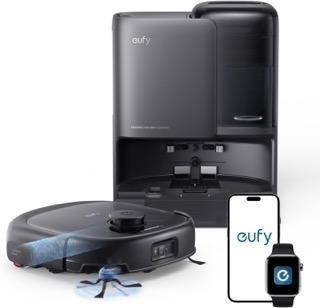
Eufy E25 Robot Vacuum and Mop Review: Is It Worth Buying?
Can the Eufy E25 Robot Vacuum replace both your vacuum and mop? This i…