

This article may contain affiliate links. If you purchase through these links, we may earn a small commission at no additional cost to you. As an Amazon Associate, we earn from qualifying purchases.
Let’s be real, wood floors look gorgeous, but keeping them clean is sometimes a full-blown hassle. You grab some fancy cleaner at the store, drop way too much cash, and then it leaves your floors all streaky or smelling like a science lab.
So, I got a little fed up and jumped down the DIY rabbit hole. Honestly? Best decision. I’ve messed around with a bunch of homemade recipes, and I’m here to spill the good stuff—the ones that actually work, don’t cost a fortune, and won’t cause your dog to start sneezing. No weird chemical smells, no sticky residue, just shiny floors that actually look clean.
In this guide, I’m sharing the best homemade wood floor cleaner recipe options that I’ve tested and loved. Trust me, your floors and your wallet will thank you.
Why Choose a Homemade Wood Floor Cleaner?
Making your own homemade wood floor cleaner isn’t just some penny-pinching hack; who doesn’t love saving cash? It’s about whipping up something that won’t nuke your indoor air, mess with your pets, or leave you sniffing weird chemical smells for hours.
Here’s why many people prefer DIY wood floor cleaners:
- Cost savings: A bottle of store-bought cleaner can cost $10–$20, while a homemade version often costs less than $1 per batch.
- Eco-friendly: Most recipes use natural, biodegradable ingredients.
- Non-toxic: No strong fumes or chemicals lingering in your home.
- Customizable: You can add essential oils for fragrance or skip vinegar if your floors don’t tolerate it.
In my experience, homemade cleaners are a game-changer. You don’t get the weird, waxy film you see with many store-bought products. Seriously, some of those commercial products just end up making your floors look somewhat dull and unappealing after a while. Why bother, right?
Things to Know Before You Clean Wood Floors
Before diving into recipes, there are a few golden rules for cleaning wood floors.
- Skip harsh chemicals: Ammonia, bleach, or strong alkaline cleaners can strip wood finishes.
- Go light on water: Too much water can seep into seams and cause swelling or warping. Always use a damp mop, not a dripping wet one.
- The vinegar debate: Vinegar is a favorite in DIY cleaning, but some homeowners say it dulls certain finishes. If you’re cautious, start with a small test spot.
If you’re looking for a homemade wood floor cleaner without vinegar, don’t worry I’ve got you covered in Recipe #3.
Tip Box: Always spot test a small hidden corner before using any cleaner across your entire floor. Different wood finishes react differently, and this quick step saves a lot of heartache.
Read More: Homemade Oven Cleaner Recipes
3 Homemade Wood Floor Cleaner Recipes (Easy + Effective)
Alright, here comes the fun bit of the recipes! Each one’s got its own vibe, so just grab whatever fits your floors and the chaos you call your life.
Recipe 1: All-Natural Shine Cleaner (With Vinegar)
This one’s my go-to when I want my wood floors to glow after cleaning. It’s budget-friendly and effective.
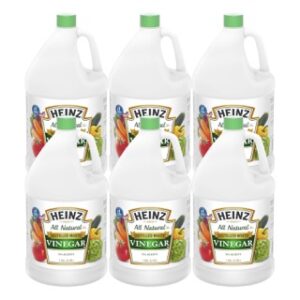
Heinz Distilled White Vinegar (5% Acidity)
✔ Trusted household brand.
✔ Ideal for vinegar-based floor cleaners.
✔ Reliable 5% distilled vinegar.
✔ Multipurpose cleaning staple.
✔ Excellent value for money.
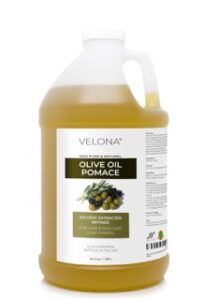
VELONA 100% Pure Pomace Olive Oil
✔ Ideal for DIY wood polish.
✔ Helps restore natural shine.
✔ Great for finished wood.
✔ Large, long-lasting bottle.
✔ Excellent value.
💡 Tip: Use occasionally to polish finished wood, not for everyday cleaning.
Ingredients
- 2 cups warm water
- ½ cup white vinegar
- 1 tablespoon olive oil (for shine)
- 5–7 drops of essential oil (like lemon or lavender)
Mix It Up
- In a spray bottle: Mix everything, then shake well before each use.
- In a bucket: Mix ingredients and stir thoroughly before mopping.
How to Use It
- Lightly mist the cleaner directly onto a microfiber mop head, then clean in the direction of the grain (the natural lines or patterns in the wood)
- Buff lightly with a dry cloth for an extra shine.
Best way to Store
Best made fresh each time. Olive oil may separate, so always shake before use.
Best For
This homemade wood floor cleaner that shines is my go-to whenever the wood’s looking dull and I want that ‘did you just remodel?’ vibe especially if I’m expecting company and need to impress (or at least fake it).
Tip Box: Olive oil’s like a glow-up for your floors, but don’t go pouring it on like you’re making salad. Too much and you’ll be skating across the living room in your socks.
Recipe 2: Gentle Soap Cleaner (Best for Everyday Use)
This one’s a lifesaver for daily messes. Super chill, gets the job done, and won’t wreck your floors even if you’re the type who cleans obsessively.
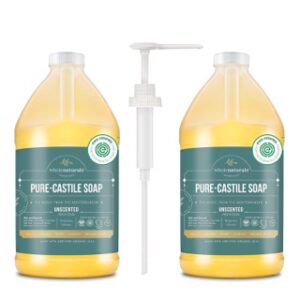
WHOLENATURALS Organic Castile Soap (Unscented)
✔ Gentle on sealed wood floors.
✔ Perfect for DIY floor cleaners.
✔ Plant-based, unscented formula.
✔ Highly concentrated.
✔ Great for many cleaning tasks.
💡 Tip: Dilute before use and clean only sealed hardwood floors.
Ingredients
- 2 cups warm water
- 2 teaspoons liquid Castile soap
- 5 drops of essential oil (optional for fragrance)
Mix the Solution
- Spray Bottle Method: Combine 2 cups of warm water and 2 teaspoons Castile soap in a spray bottle. Add essential oil if desired, then shake gently.
- Bucket Method: Scale up the recipe to make about 1 gallon (16 cups warm water + 2–3 tablespoons Castile soap). Stir well before using.
Clean the Floors
- Dampen a microfiber mop with the solution.
- Mop lightly, avoiding excess water.
- No rinsing required, once you mop, just let the floor air dry.
Store It Properly
Can be stored in a spray bottle for up to a week. Shake before use.
Best For
This homemade wood floor cleaner is a game-changer for everyday messes. It’s tough on dust and gunk, but somehow it doesn’t wreck that nice shine your floors have. You can use it all the time, and your floor won’t end up sad and dull—pretty sweet deal, right?
Recipe 3: Vinegar-Free Cleaner (Safe for Sensitive Floors)
Some people don’t like vinegar on wood because its acidity can dull certain finishes, so here’s a reliable alternative.
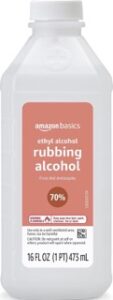
Amazon Basics 70% Isopropyl Rubbing Alcohol
✔ Great for streak-free cleaning.
✔ Evaporates quickly.
✔ Ideal for DIY cleaning recipes.
✔ Convenient ready-to-use bottle.
✔ Excellent household staple.
💡 Tip:
Use only in diluted DIY recipes for sealed wood floors.
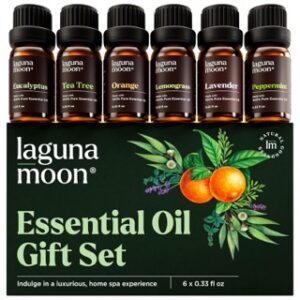
Lagunamoon Essential Oils Set
✔ Adds a fresh natural scent.
✔ Perfect for DIY cleaners.
✔ Includes multiple popular oils.
✔ Highly concentrated formula.
✔ Great value gift set.
💡 Tip:
Add only 2–3 drops to your wood floor cleaner for a light fragrance.
Ingredients
- 2 cups warm water
- ½ cup rubbing alcohol (helps quick-dry and shine)
- 1 teaspoon mild dish soap
- 5 drops essential oil
How to Make
- Spray Bottle Method: Mix 2 cups of warm water, ½ cup rubbing alcohol, a few drops of dish soap, and essential oil in a spray bottle. Shake gently to combine.
- Bucket Method: Scale up the recipe to about 1 gallon (16 cups warm water + 2 cups rubbing alcohol + 2 teaspoons dish soap + essential oil). Stir well before using.
Using the Cleaner
- Spray onto mop head or dip mop in solution, wring out excess.
- Mop floors lightly, then let air dry.
Storage Tips
Store in a spray bottle for up to two weeks. Keep away from direct sunlight.
Best For
If you prefer a homemade wood floor cleaner without vinegar, this recipe is safe and effective. The alcohol speeds up drying, which is perfect for preventing water damage.
Tip Box: Rubbing alcohol doesn’t just help floors dry faster it also kills germs, making it a dual-purpose ingredient.
Tips for Using Homemade Floor Cleaners
Getting your recipe? That’s just step one, actually, using it the right way is where the magic happens
- Seriously, don’t go flooding your floors. Grab a barely-damp mop, not one that’s dripping all over the place.
- Trying out some wild new mix? Test it somewhere nobody’s gonna see if it goes wrong. Under the couch, maybe.
- Once you’re done, hustle and dry those floors with a microfiber cloth or a dry mop. Don’t just let ‘em air dry unless you like streaks.
- Avoid steam cleaners on wood floors. The high heat and moisture can cause the boards to swell or warp, which ruins the finish over time.
Most people don’t realize that the technique matters as much as the cleaner. Even the best solution won’t help if you’re oversaturating your floors.
FAQs About Homemade Wood Floor Cleaners
What is the best homemade wood floor cleaner?
It really comes down to your needs. Recipe 1 is perfect if you want extra shine. Recipe 2 works best for everyday cleaning, while Recipe 3 is ideal if you prefer a vinegar-free option.
How do you make a no-rinse floor cleaner?
A no-rinse floor cleaner is a solution that leaves no residue behind, so you don’t need to mop again with plain water. Recipes with Castile soap or rubbing alcohol typically don’t need rinsing, just mop and let the floor air dry.
Can vinegar damage wood floors?
Yeah, a bit. Vinegar’s pretty acidic, so if you go wild with it, you might end up with dull, sad-looking floors especially if your finish is on the delicate side. Dilute it, and maybe don’t dump it straight on the boards. Oh, and a spot test! Unless you’re feeling lucky (not recommended).
Which recipe is the safest?
Honestly, Recipe 2—the gentle soap thing—is your best bet for regular cleaning. It’s not gonna strip your finish or turn your floors into a science experiment. Most wood finishes can handle it, no drama.
What is a quick way to clean a very dirty wooden floor?
First, grab the vacuum or broom and get all the gunk off. After that, go for Recipe 3. Rubbing alcohol’s the secret sauce here, it gets rid of grease and dries way faster, so you’re not tiptoeing around on wet planks for ages.
Conclusion
Wood floors are kinda needy, right? If you wanna keep ’em looking sharp, you gotta treat ’em right and that starts with the cleaner. Forget shelling out cash for those fancy bottles at the store. Whip up your own homemade wood floor cleaner recipe and boom: you’re saving money, dodging sketchy chemicals, and your floors look like you actually care.
You’ve got options, too. Some folks swear by the old-school vinegar mix (smells a bit, but hey, it works). Others keep it simple with a mild soap blend, or maybe you hate the vinegar smell, so you skip it entirely.
Whatever route you go, these recipes are stupidly easy. Seriously, just mix, mop, and marvel at your shiny floor. Try it out this week, and I bet your Swiffer gets jealous.