

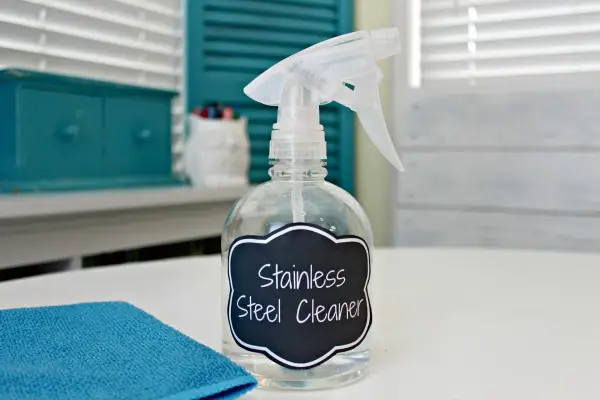
Did you know that the majority of store-bought stainless steel cleaners actually leave a film? That invisible film is a dust, fingerprint, and smudge magnet way faster than we’d all like. And many of those shiny sprays are filled with some pretty tough chemicals that you probably don’t want around your food or family.
Creating your own DIY stainless steel cleaner is simple; it saves you money and keeps chemicals out of your kitchen, and it gives you the streak-free shine we all want!
Even if you are taking on a fingerprint-smeared fridge or sink that’s lost its luster, the best part? You can make an effective cleaner in minutes with stuff you probably already have in your home.
Let your appliances sparkle the natural way.
Best DIY Stainless Steel Cleaner Recipe (with Vinegar)
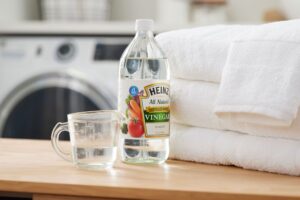
If you don’t mind a little vinegar aroma, this is the classic and most effective option. It cuts grease, kills bacteria, and lifts grime beautifully. The trick lies in using the right ratio and wiping technique.
You’ll need:
- 1 cup of distilled water
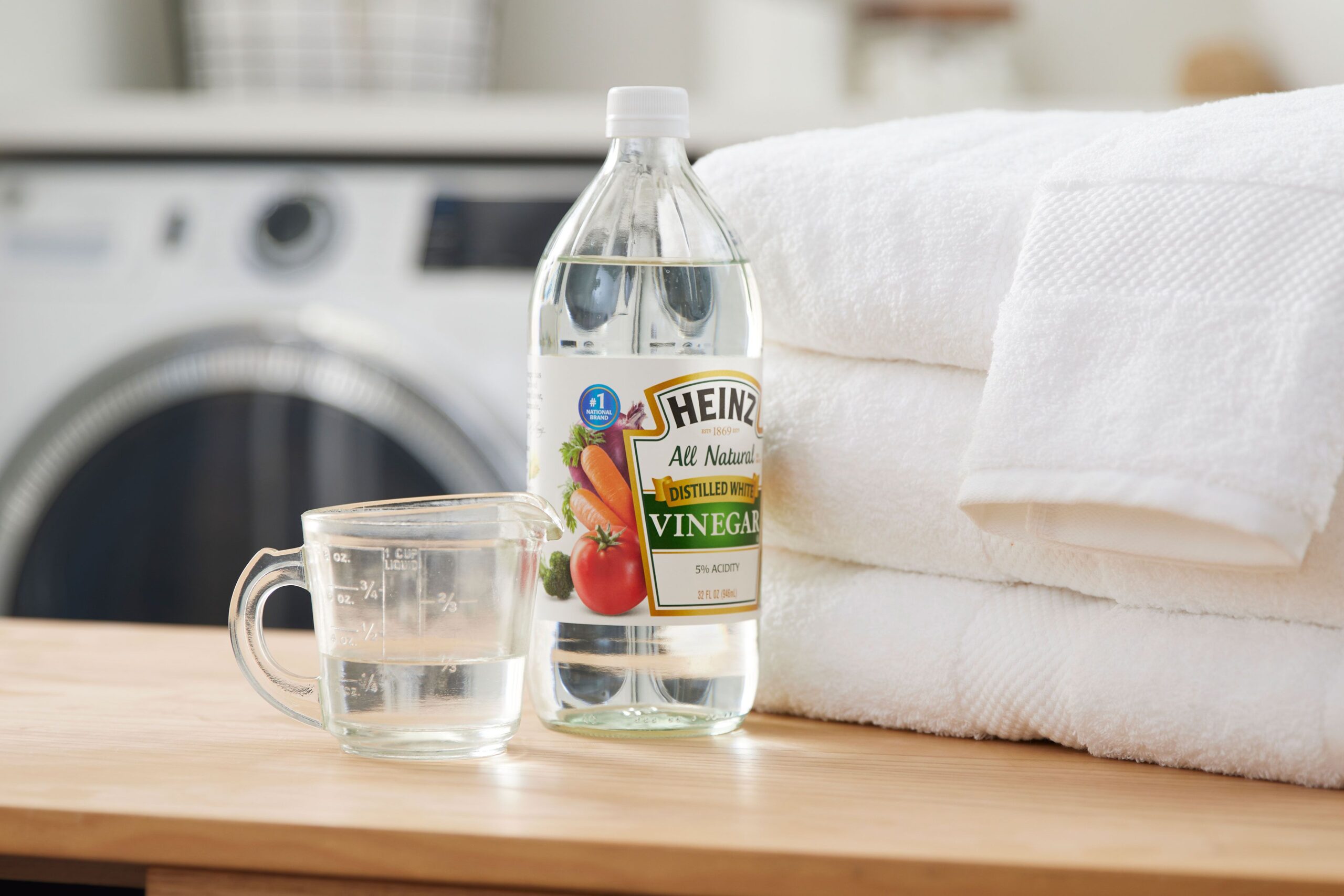
- 1 cup of white vinegar
- 1 teaspoon of olive oil or baby oil
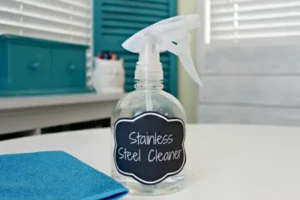
- A clean spray bottle
- A microfiber cloth
Steps:
- Mix equal parts vinegar and water in a spray bottle.
- Shake gently to combine.
- Spray lightly onto your stainless steel surface.
- Wipe using a microfiber cloth in the direction of the grain.
- Buff with a small drop of olive oil for a smooth, glossy finish.
Why it works: Acetic acid, which is found in vinegar, removes mineral accumulation, oil, and fingerprint or water-stained streaks. It is among the most basic yet effective cleaning agents found in nature.
Read More: Best Car Odor Eliminator to Keep Your Ride Fresh
This recipe, in my experience, works incredibly well on range hoods and refrigerators, but if you have hard water or don’t like the smell of vinegar, don’t worry—there is a version without vinegar just for you.
Tip: Always use a microfiber cloth to avoid streaks and scratches. Paper towels can leave lint and micro-marks that dull your steel over time.
DIY Stainless Steel Cleaner (No Vinegar Option)
If your nose curls at the smell of vinegar or your stainless steel surface reacts poorly to acid-based cleaners, this alternative is a winner. It’s gentle, effective, and leaves behind a fresh scent.
What you’ll need:
- 1 cup of distilled water
- 1 cup of rubbing alcohol (isopropyl)
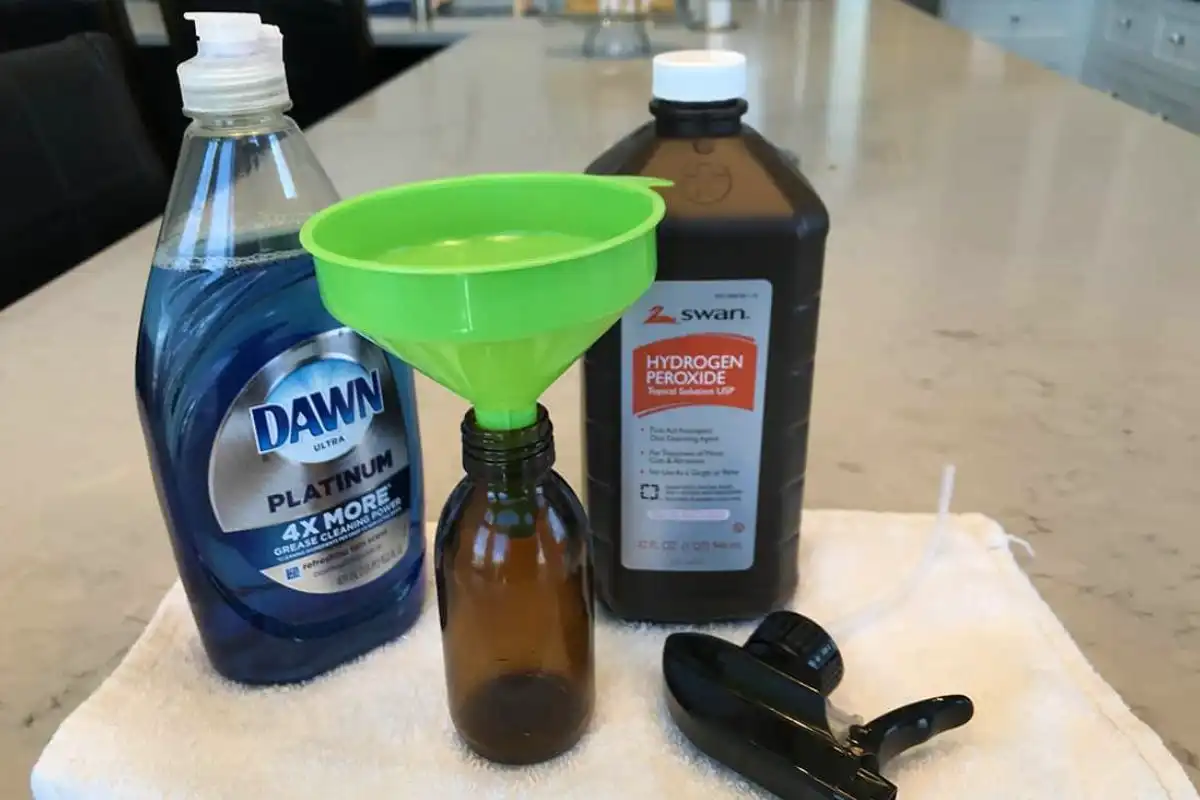
- 1 teaspoon of mild dish soap
- A few drops of essential oil (lemon or tea tree recommended)
- A spray bottle and a soft cloth
How to make it:
- Pour the alcohol and water into your spray bottle.
- Add dish soap and shake gently.
- Add your favorite essential oil for fragrance.
- Spray on the surface and wipe with a clean microfiber cloth.
Because of the alcohol, this mixture evaporates quickly, leaving no residue or streaks behind. It’s ideal for do-it-yourself stainless steel cleaner DIY projects that center on ovens, dishwashers, and refrigerators.
This mixture became my go-to for touch-ups in the kitchen. It’s perfect for cleaning right before guests arrive or right after cooking because of its quick-drying quality.
Tip: Add just one drop of lemon essential oil for a fresh, clean scent that also helps cut through grease.
Read More: Homemade Carpet Cleaner Recipe
DIY Stainless Steel Sink Cleaner Recipe
Let’s discuss the sink. It’s frequently the most frequently used spot on stainless steel in a house, and it may get water stains or a dull film over time. In order to remove buildup, a mild abrasive is required for a do-it-yourself stainless steel sink cleaner.
Ingredients:
- 2 tablespoons of baking soda
- 1 tablespoon of castile soap or mild dish soap
- Warm water (just enough to make a paste)
- A soft sponge or cloth
Directions:
- Mix the baking soda and soap in a small bowl.
- Add water slowly until you get a paste-like consistency.
- Apply the paste to your sink using circular motions.
- Rinse with warm water and dry with a soft towel immediately.
Without causing scratches, baking soda works as a mild abrasive to remove stains. According to science, it neutralizes smells and breaks down fatty acids in grease, which is why it’s a common kitchen cleaning product.
Tip: The majority of people are unaware that drying is just as important as cleaning for a shiny sink. The dull marks you see later are caused by letting water droplets air-dry.
Streak-Free Stainless Steel Cleaner (Pro Technique)
Even the best cleaner won’t help if you’re wiping the wrong way. Yes, there’s a technique to this. Every stainless steel surface has a subtle grain—tiny brushed lines that run in one direction. If you look closely, you’ll see them.
Here’s how to do it:
- Identify the grain direction on your appliance.
- Spray your chosen streak-free stainless steel cleaner diy mixture lightly.
- Wipe with your microfiber cloth following the grain, not against it.
- Buff gently with a dry corner of the cloth for that final gleam.
Why this is important: Dirt can get trapped in those tiny grooves when you wipe across the grain, leaving behind streaks or dullness. Following the grain maintains a uniformly polished and smooth surface.
According to a study by the American Cleaning Institute, microfiber cloths are both efficient and environmentally friendly because they can eliminate 99% of bacteria with just water (source: American Cleaning Institute).
Tip: Skip paper towels. They can cause micro-scratches that catch the light and make your appliance look cloudy instead of shiny.
Read More: 3 Homemade Jewelry Cleaner Recipes
Eco-Friendly Stainless Steel Cleaner: Safe & Sustainable
If you’re aiming for a sustainable home routine, you’ll love how easy it is to make a natural stainless steel cleaner diy that’s kind to both your appliances and the planet.
Here’s how to do it mindfully:
- Use glass spray bottles instead of plastic, they last longer and don’t leach chemicals.
- Label each bottle clearly so you always know what’s inside.
- Refill instead of remaking from scratch every time.
A simple refill idea: When your bottle is half empty, top it off with equal parts distilled water and rubbing alcohol, shake, and it’s ready again.
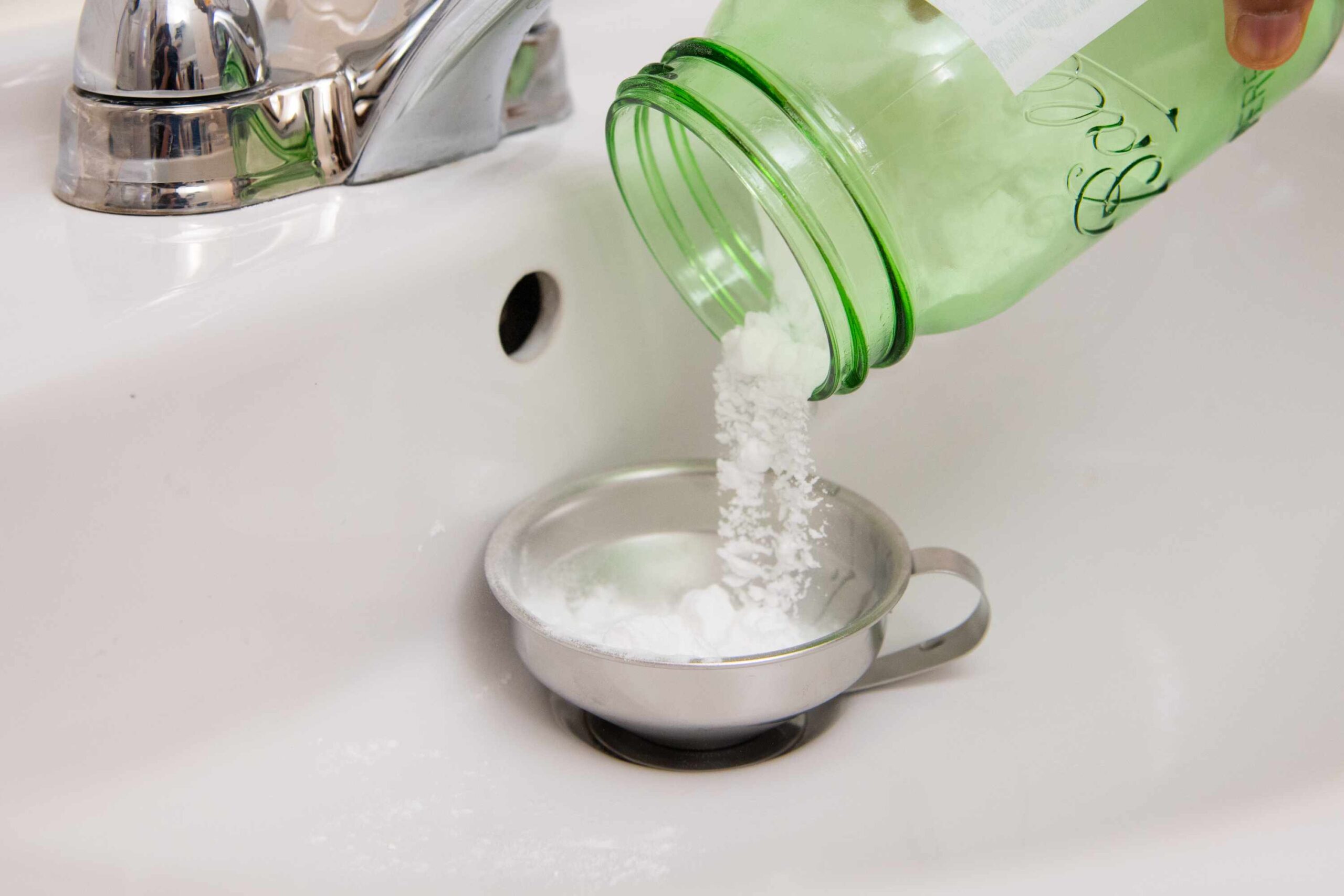
Tip: Add a stainless steel funnel when refilling bottles to avoid spills; it keeps your cleaning station tidy and waste-free.
Common Mistakes to Avoid When Cleaning Stainless Steel
Even with the perfect diy cleaner for stainless steel appliances, a few small errors can ruin your shine.
Here’s what to avoid:
- Overusing vinegar: Too much acid can corrode certain finishes over time. Always dilute it.
- Not drying properly: Leaving moisture can cause streaks or water spots.
- Spraying directly on hot surfaces: Heat can cause uneven drying, leaving behind blotches or rainbow stains.
- Using harsh scrubbing pads: Steel wool or rough sponges can permanently scratch the grain.
- Skipping the final buff: That last polish step makes all the difference for a glossy finish.
When I first tried a stainless steel diy cleaner, I skipped drying, thinking air-drying would be fine. Big mistake. The next day, my fridge looked like it had ghost fingerprints. A quick buff with a dry microfiber cloth fixed it instantly.
Read More: Best Homemade Window Cleaner With Vinegar
FAQs
What is the best homemade stainless steel cleaner that doesn’t leave streaks?
A mix of rubbing alcohol, dish soap, and water is your best bet. It evaporates fast, leaving your appliances spotless.
Can I use baking soda to clean stainless steel appliances?
Absolutely. Baking soda’s gentle abrasiveness removes grime without scratching, making it ideal for sinks and tough spots.
Is vinegar safe for stainless steel?
Yes, but only in diluted form. Straight vinegar can be too acidic for some finishes.
How do I make a DIY stainless steel cleaner without vinegar?
Combine rubbing alcohol, mild dish soap, and water. Add a few drops of lemon essential oil for a fresh scent.
Can I use olive oil to polish stainless steel?
Yes. A few drops buffed with a cloth will give your surfaces a protective, glossy shine.
What should I avoid when cleaning stainless steel sinks?
Avoid bleach, steel wool, or anything too abrasive. Always rinse thoroughly and dry right away.
Conclusion
In addition to being a cost-effective tip, making your own DIY stainless steel cleaner is a more intelligent and healthful way to maintain your house. Each recipe produces shine without streaks or chemicals.
Whether you prefer the traditional vinegar scrub, the quick-dry version made with alcohol, or the baking soda scrub for your sink.
See how your kitchen appliances shine again organically by attempting one of these recipes right now. Your future self will appreciate it if you save this guide for when your refrigerator starts to lose its shine.