
Affiliate Disclosure
This article may contain affiliate links. If you purchase through these links, we may earn a small commission at no additional cost to you. As an Amazon Associate, we earn from qualifying purchases.
Dishwasher pods from the store? They’re handy, but they cost a fortune, come wrapped in plastic, and are full of ingredients no one can pronounce. If you’re tired of paying for pricey pods that just add more waste, making your own is a game-changer.
You only need simple ingredients like baking soda, citric acid, and salt, items you probably already have in your kitchen. Mix them and you’ve got homemade dishwasher pods that clean just as well as store brands, without the chemicals or extra packaging.
I’ll show you how to make them, how to store them so they last, and what to do if something goes wrong.
What You Need to Know Before Making DIY Dishwasher Pods
Before jumping into a recipe, it helps to understand how DIY dishwasher pods actually work. These tablets clean dishes through a mix of ingredients that perform different tasks:
- Baking soda neutralizes odors and acts as a gentle abrasive.
- Citric acid helps cut through grease, break down mineral deposits, and prevent cloudy glassware.
- Salt softens water, allowing other cleaners to work better.
- Dish soap (in very small amounts) adds grease-cutting power.
Highly Recommended
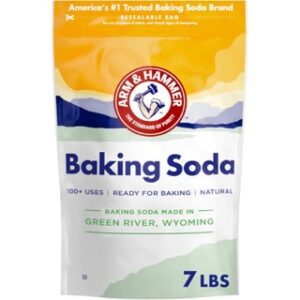
Arm & Hammer Pure Baking Soda
Arm & Hammer Pure Baking Soda is the key ingredient for homemade dishwasher pods. It helps cut grease, remove food residue, and leaves dishes fresh and sparkling.
Why You'll Love It
✓ Pure baking soda for DIY dishwasher pods
✓ Helps fight grease and odors
✓ Trusted, affordable household essential
A lot of people have no idea that dumping extra vinegar or citric acid in the homemade dishwasher pods can actually mess up the rubber seals or even rust out some of the metal bits. Wild, right? People just assume more equals better. Spoiler alert: it doesn’t.
Tip: Stick to the recipe when you’re whipping up those DIY dishwasher tabs. Don’t get creative with citric acid. Tossing in extra won’t make your dishes any cleaner, but it might just send your dishwasher to an early grave.
Comparison Between Homemade Dishwasher Tablets and Commercial Ones
Here is a simple comparison to help you see the benefits clearly:
| Feature | Homemade Dishwasher Tablet | Commercial Pods |
| Cost per load | Around 5–7 cents | Around 25–40 cents |
| Ingredients | Baking soda, citric acid, salt, soap | Synthetic surfactants, phosphates, fragrances |
| Packaging | None, stored in jars or boxes | Plastic wrap or film |
| Eco impact | Low-waste, reusable containers | High plastic use |
| Customizable | Yes (fragrance, strength | No |
You can crank out like 40 or 50 pods for under four bucks, that’s pocket change compared to the $15 you’d drop buying the same stash at the store. Wild, right?
Tip: Keep track of how many pods you’re making per batch. It’s a game-changer for figuring out what you’re actually saving (spoiler: it’ll surprise you), plus you’ll see just how much less trash you’re chucking out. Less plastic guilt, more money for coffee.
1. Homemade Dishwasher Pods Recipe With Citric Acid
This is my tested dishwasher pods recipe that works for most dishwashers and water types.
Ingredients
- 2 cups baking soda
- 1 cup washing soda (or substitute with extra baking soda if not available)
- 1 cup citric acid powder
- ½ cup coarse salt
- 3 tablespoons water
- 10 drops essential oil (optional, for fragrance)
Highly Recommended
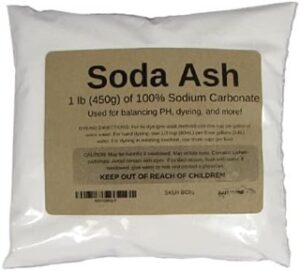
Organic Cotton Plus Soda Ash (Washing Soda)
Organic Cotton Plus Soda Ash boosts the cleaning power of homemade dishwasher pods by cutting through grease and tackling tough food residue for sparkling clean dishes.
Why You'll Love It
✓ Powerful grease-cutting formula
✓ Softens hard water for better cleaning
✓ Perfect for DIY dishwasher pods
✓ Great for removing stubborn food residue
Steps
- Mix all dry ingredients in a large bowl.
- Slowly add water one teaspoon at a time, stirring constantly. The mixture should feel damp enough to hold together but not soggy.
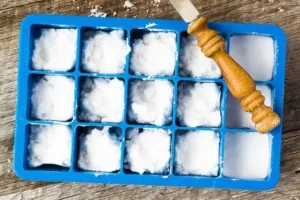
- Press into silicone molds or an ice cube tray.
- Let dry for 24 hours until hard.
- Remove from molds and store in an airtight container.
Each pod is enough for one full wash cycle.
Tip: If your mix starts fizzing up when you add water, slow your roll. You’re dumping it way too fast. Go easy, just a few drops at a time. Otherwise, you’re basically watching all that cleaning magic go up in bubbles.
2. Homemade Dishwasher Pods Without Citric Acid
Sometimes citric acid can be hard to find, or you may prefer not to use it. Here is how to make dishwasher pods without it.
Alternative Ingredients
- Lemon juice powder as a direct swap for citric acid
- Extra baking soda with a tablespoon of table salt for mild cleaning
- Borax (if comfortable using it, though some people avoid it)
In my experience, making your own dishwasher pods and skipping the citric acid isn’t the end of the world. Lemon juice powder? Total game changer, it actually tackles grease and keeps that weird cloudy stuff off your glasses way better than most of the alternatives.
Tip: Got hard water? Chuck in another spoonful of salt. Trust me, your glasses will actually look clean for once instead of that weird cloudy nonsense. Makes all the difference—seriously, it’s like magic for your dishwasher.
How to Store and Use Your Homemade Dishwasher Pods
Proper storage ensures your pods stay firm and effective. Moisture is their biggest enemy.
Highly Recommended
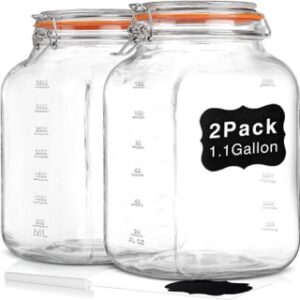
Wide Mouth Airtight Glass Storage Jar
Wide Mouth Glass Storage Jar is perfect for storing homemade dishwasher pods. Its airtight lid helps keep moisture out, so your DIY tablets stay dry, fresh, and ready to use.
Why You'll Love It
✓ Airtight, moisture-proof seal
✓ Ideal for storing DIY dishwasher pods
✓ Wide mouth for easy access
✓ Durable, reusable glass design
- Store in an airtight container or mason jar.
- Keep in a cool, dry place away from sinks or humid rooms.
- Use one pod per full dishwasher load.
Wanna go greener with your setup? Easy. Just stash your dishwasher tabs in, I dunno, that old detergent box lying around or grab an empty pasta sauce jar if you’re feeling fancy. No need to buy new stuff when your recycling bin’s basically a treasure chest.
Tip: Chuck a silica gel packet in there (yeah, those little things from shoe boxes). Keeps the pods dry and not all mushy. Trust me, nobody likes crumbly dishwasher tabs.
Do Homemade Dishwasher Pods Really Work? (My Testing Results)
I threw these homemade dishwasher pods at everything: grimy pans dripping with grease, glasses that looked like they’d been through a fog machine, and plates caked with crusty old pasta sauce. They kicked butt. Grease vanished, glasses actually sparkled, and unless we’re talking about some mutant casserole cemented on for days, everything else was spotless. Maybe a quick rinse for that apocalypse-level gunk, but that’s about it.
Now, stacking ‘em up against the supermarket stuff, homemade pods held their own for your average mess. Not bad, right? The only thing those big brands have going for them is all those fancy enzymes they toss in. Helps with, like, scrambled eggs welded to your plate. Homemade pods? No enzymes, so that’s their one weak spot. Otherwise, pretty solid.
When to Use a Pod vs a Liquid Homemade Solution
Sometimes a pod is not the best option. Here is a quick guide
| Use a Pod | Use a Liquid Cleaner |
| Regular full load | Light loads or quick rinse cycles |
| Greasy or dirty dishes | Dishes already rinsed or lightly soiled |
| Convenience and storage | Custom spot cleaning or soaking |
This checklist helps you get the most out of your homemade dishwasher cleaner solution.
Troubleshooting Common Problems
Even with the best recipe, you might face some issues.
- Pods too crumbly: Add a few more drops of water when mixing.
- Pods too hard: Use less water and allow proper drying.
- White residue on dishes: Add vinegar to the rinse aid compartment.
- Dishwasher smells: Run a cleaning cycle with baking soda sprinkled at the bottom.
Tip: Got cloudy glasses after running the dishwasher? Just toss a little bowl of vinegar on the top rack next time. It’ll knock out that mineral gunk. Works like a charm—your glassware will be sparkling again, no magic wand required.
Conclusion
Making up your own homemade dishwasher pods is kinda a no-brainer: cheap, better for the planet, and you’re not stuck paying for those overpriced pods wrapped in even more plastic. You probably already have most of the stuff lying around your kitchen anyway.
Just mix up a batch and toss ’em in the dishwasher. Boom, shiny dishes. And hey, if you come up with some wild ingredient swap or a genius way to stash them, spill your secrets, I’m all ears.
FAQs
Are homemade dishwasher pods safe for all dishwashers?
Yes, they are safe when made with basic ingredients like baking soda, salt, and citric acid. Always avoid overusing vinegar.
Can I make homemade dishwasher pods without citric acid?
Yes, lemon juice powder or extra baking soda with salt are good alternatives.
Why do my DIY dishwasher pods crumble or not harden?
Usually, there is too much or too little water in the mix. Adjust gradually until it holds shape.
Do homemade dishwasher tablets clean as well as store-bought ones?
For everyday loads, yes. Enzyme-heavy commercial pods may perform better on baked-on proteins.
How do I stop homemade dishwasher pods from leaving white residue?
Add vinegar to the rinse aid compartment or increase salt for hard water.
Can I add vinegar or essential oils to homemade dishwasher pods?
Essential oils are fine. Vinegar should go in the rinse aid compartment, not in the pod itself.











Roborock Saros 20 Robot Vacuum Review: Is It Worth Buying?
Still rescuing your robot from thresholds and tangled hair? This Robor…
O-Cedar EasyWring RinseClean Spin Mop System Review: Worth Buying?
Does separate clean water make mopping easier? Explore the O-Cedar Eas…
O-Cedar EasyWring Spin Mop Review: Is It Worth Buying?
Does easier wringing make the O-Cedar EasyWring spin mop worth buying?…
Roborock Saros 10R Robot Vacuum Review: Is It Worth the Premium Price?
Is the Roborock Saros 10R worth its premium price? This in-depth revie…

Roborock Qrevo S Pro Robot Vacuum Review: Is It Worth Buying?
The Roborock Qrevo S Pro promises less daily vacuuming and mop care. T…

10 Best Roborock Robot Vacuum Models: Which Fits Your Home?
Which Roborock robot vacuum fits your home? Compare 10 models across t…
5 Best Microfiber Cleaning Cloths: Which Should You Buy?
Find the best microfiber cleaning cloth for your home. Compare five pi…
USANOOKS Microfiber Cleaning Cloth Review: Is the Grey 12 Pack Worth It?
Considering the USANOOKS grey 12 pack? Explore its size, color choices…

MR.SIGA Microfiber Cleaning Cloth Review: Is the 12 Pack Worth It?
Are MR.SIGA microfiber cleaning cloths worth a spot in your kitchen? T…
Amazon Basics Microfiber Cleaning Cloths Review: Are They Worth Buying?
Amazon Basics Microfiber Cleaning Cloths provide an affordable 24 pack…
Roborock Q7 M5+ Robot Vacuum Review: Is This Budget Vacuum and Mop Worth It?
Can an affordable robot really vacuum, mop and empty itself effectivel…
Eufy E25 Robot Vacuum and Mop Review: Is It Worth Buying?
Can the Eufy E25 Robot Vacuum replace both your vacuum and mop? This i…