
Affiliate Disclosure
This article may contain affiliate links. If you purchase through these links, we may earn a small commission at no additional cost to you. As an Amazon Associate, we earn from qualifying purchases.
It’s never been more important to keep your home germ-free. Store shelves are lined with effective chemical disinfectants, but many American families are turning to natural, environmentally friendly solutions. That’s where creating your own DIY disinfectant spray takes over.
Not only it is cheap, but it’s safer too on kids, pets, and anyone prone to sensitive chemical odors.
In this Guide, I will take you through everything from the chemistry of natural cleaners, proper ingredients to use, recipes for each of the surfaces of your home, and ways to store. By the end of this, you will be comfortable making your own homemade remedies that are just as effective as the store-bought.
What is a DIY Disinfectant Spray? (Natural vs. Chemical Options)
When we hear about disinfectants, the immediate picture is often a store container claiming to eliminate ninety-nine percent of germs. Such products typically have chemicals like quaternary ammonium compounds, chlorine bleach, or other manmade cleaners. They get the job done, but they also produce fumes that can irritate lungs and skin.
✓ Quick Answer
A homemade disinfectant spray or a natural disinfectant spray uses simple, safe ingredients such as vinegar, alcohol, hydrogen peroxide, and essential oils. These solutions effectively combat viruses and bacteria without leaving behind harsh chemical residues.
Most people do not realize how easy it is to replace store-bought products with a diy natural disinfectant spray. I started with a basic vinegar and water mix, and it worked perfectly for countertops and bathroom sinks.
Natural sprays are especially safe for households with children, pets, or anyone with asthma since they do not release heavy chemical fumes.
Ingredients You’ll Need for a Homemade Disinfecting Spray
To create a homemade disinfecting spray, you need ingredients that are both safe and effective. Here are the most common ones you should keep in your cleaning cabinet.
- Vinegar: Naturally acidic, vinegar helps break down grease and kills many bacteria.
- Isopropyl alcohol or ethanol: One of the most effective germ killers, perfect for sanitizing.
- Hydrogen peroxide: Strong against viruses and bacteria, safe for food contact surfaces like fridges.
- Essential oils: Tea tree, lemon, eucalyptus, and lavender add disinfecting properties along with a pleasant scent.
- Distilled water: Helps dilute strong ingredients to safe concentrations.
Highly Recommended
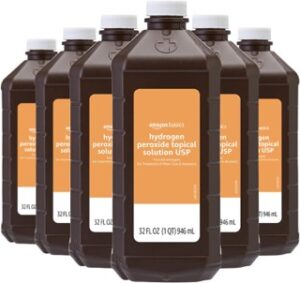
Amazon Basics Hydrogen Peroxide 3%
A key ingredient in many DIY disinfectant spray recipes, Amazon Basics Hydrogen Peroxide helps clean and disinfect household surfaces while tackling stains and odors. A simple, affordable addition to your homemade cleaning supplies.
Key Benefits
✔ Effective disinfecting ingredient
✔ Helps remove stains & odors
✔ Perfect for DIY cleaning sprays
If you are planning a natural disinfectant spray for fabric, make sure to use a mild solution that does not stain or damage fibers.
⚠ Warning
Never mix vinegar with hydrogen peroxide in the same bottle. Together, they can create peracetic acid, which is harmful. Always use them separately.
Read More: Homemade bathroom cleaner recipe
Step by Step: How to Make DIY Disinfectant Spray
Making your own diy sanitizer spray at home is simple once you know the right ratios. Here are three tried and tested recipes.
Recipe 1: All Purpose Alcohol Based Disinfectant
- 2 cups isopropyl alcohol (at least 70 percent)
- 1 cup distilled water
- 15 drops of essential oil (lemon or lavender works well)
Mix the ingredients in a spray bottle. Shake well before each use. This spray is perfect for kitchen counters, bathroom sinks, and high-touch areas like doorknobs.
Recipe 2: Vinegar-Based Spray for Surfaces
- 1 cup white vinegar
- 1 cup distilled water
- 10 drops of eucalyptus or lemon essential oil
This option is great for cutting grease in kitchens and freshening up bathroom tiles. Keep in mind, vinegar should not be used on stone surfaces like marble or granite.
Recipe 3: Hydrogen Peroxide Disinfectant
- 1 cup hydrogen peroxide (3 percent solution)
- 1 cup distilled water
- 10 drops of tea tree essential oil
This spray is fridge safe and bathroom safe, perfect for sanitizing cutting boards, sinks, and even toys.
Each of these options shows you exactly how to make disinfectant spray at home without relying on harsh commercial products.
DIY Disinfectant Spray Variations for Specific Uses
Sometimes one recipe does not fit every situation. Here are targeted sprays for different areas of your home.
For Fabric
A natural fabric disinfectant spray is handy for curtains, clothes, or furniture. Mix:
- 1 cup vodka or isopropyl alcohol
- 1 cup distilled water
- 10 drops lavender essential oil
Spray lightly and let the fabric air dry. This works as a natural disinfectant spray for fabric that refreshes while killing germs.
For Air
Want to freshen up a room? Create a natural air disinfectant spray with:
- 2 cups distilled water
- 1 tablespoon witch hazel
- 20 drops of lemon or orange essential oil
This works like a natural room mist, cleansing the air without artificial perfumes.
For Furniture
To sanitize living room furniture, try a disinfectant spray for couch:
- 1 cup rubbing alcohol
- 1 cup water
- 15 drops of eucalyptus oil
Lightly spray the surface, then wipe with a soft cloth.
For Bed (Mattress & Pillows)
A disinfectant spray for bed is important for mattresses and pillows. Mix:
- 2 cups vodka
- 15 drops lavender essential oil
Spray lightly and allow to air dry. It removes odors and keeps your bed fresh.
Storage and Shelf Life Tips
Home sprays don’t have preservatives, so proper storage is important. Unless absolutely necessary, always keep sprays in dark glass spray bottles because light will disable ingredients such as hydrogen peroxide and essential oils.
The majority of alcohol based solutions will endure months, and vinegar sprays will endure that long or even a year. The hydrogen peroxide sprays expire sooner and will need to be remade within a 30-day period. A general rule of thumb is that if the odor shifts or it appears cloudy, remaking a new solution is best.
Best Essential Oils for Disinfecting Power
You can go for this excellent 6-pack essential oil set to enhance your DIY disinfectant spray.
Highly Recommended
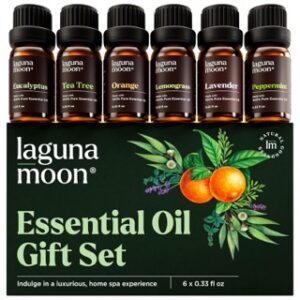
Lagunamoon Essential Oil Set
Add extra cleaning power and freshness to your DIY disinfectant sprays with this 6-pack essential oil set. Oils like tea tree, eucalyptus, lemon, and lavender are popular for their antibacterial, antiviral, and refreshing properties.
Key Benefits
✔ 6 natural essential oils
✔ Freshens homemade cleaners
✔ Adds natural cleaning benefits
✔ Creates a fresh home scent
Essential oils do more than add fragrance. Many have antibacterial and antiviral properties that make them perfect for cleaning.
Here is a quick reference list.
| Essential Oil | Disinfecting Power | Best Use |
| Tea Tree | Strong antibacterial and antifungal | Bathrooms, mold areas |
| Eucalyptus | Antiviral, refreshing scent | Air sprays, couches |
| Lemon | Degreaser, antibacterial | Kitchens |
| Lavender | Gentle antibacterial | Fabrics, bedding |
When choosing the best natural disinfectant spray or the best all natural disinfectant spray, pick essential oils based on both cleaning strength and scent preference.
Safety Tips When Using Homemade Disinfecting Sprays
Even natural solutions need to be handled carefully. Here are important safety notes.
- Avoid spraying vinegar on marble, granite, or some types of wood, as it can damage the finish.
- Keep bottles out of reach of kids and pets.
- Always test a small area first when using a new spray on fabric or furniture.
According to the Environmental Protection Agency, approximately 10 in 1,000 people are hospitalized in emergency rooms each year in the United States due to exposure to heavy cleaning chemicals (source). By using homemade sprays, this danger is abated while the home remains safe.
💡 Tip
Mark each spray bottle with the ingredients and date made so you always know what you are spraying and when it is too old.
✨Final Verdict
Making your own diy disinfectant spray is simpler than everyone thinks. Making it with basic ingredients such as vinegar, alcohol, hydrogen peroxide, and essential oils will allow you to safely clean all areas of your home. It is less expensive, healthier, and greener.
Try one of the recipes today and experience the difference. Convince your friends or relatives, and you might encourage them to make a difference as well with a homemade disinfecting spray.
FAQs
An alcohol based spray with essential oils is the strongest and most versatile option.
Yes, vinegar or hydrogen peroxide-based recipes work well as alternatives.
Yes, just use diluted alcohol or vodka with lavender or eucalyptus oil. Always test a small spot first.
Alcohol based sprays last several months, vinegar-based sprays can last up to one year, while hydrogen peroxide sprays should be remade monthly.
Tea tree, lemon, eucalyptus, and lavender are top choices.
Yes, light sprays with vodka or alcohol and lavender oil work perfectly for refreshing bedding.











O-Cedar EasyWring RinseClean Spin Mop System Review: Worth Buying?
Does separate clean water make mopping easier? Explore the O-Cedar Eas…
O-Cedar EasyWring Spin Mop Review: Is It Worth Buying?
Does easier wringing make the O-Cedar EasyWring spin mop worth buying?…
Roborock Saros 10R Robot Vacuum Review: Is It Worth the Premium Price?
Is the Roborock Saros 10R worth its premium price? This in-depth revie…

Roborock Qrevo S Pro Robot Vacuum Review: Is It Worth Buying?
The Roborock Qrevo S Pro promises less daily vacuuming and mop care. T…

10 Best Roborock Robot Vacuum Models: Which Fits Your Home?
Which Roborock robot vacuum fits your home? Compare 10 models across t…
5 Best Microfiber Cleaning Cloths: Which Should You Buy?
Find the best microfiber cleaning cloth for your home. Compare five pi…
USANOOKS Microfiber Cleaning Cloth Review: Is the Grey 12 Pack Worth It?
Considering the USANOOKS grey 12 pack? Explore its size, color choices…

MR.SIGA Microfiber Cleaning Cloth Review: Is the 12 Pack Worth It?
Are MR.SIGA microfiber cleaning cloths worth a spot in your kitchen? T…
Amazon Basics Microfiber Cleaning Cloths Review: Are They Worth Buying?
Amazon Basics Microfiber Cleaning Cloths provide an affordable 24 pack…
Roborock Q7 M5+ Robot Vacuum Review: Is This Budget Vacuum and Mop Worth It?
Can an affordable robot really vacuum, mop and empty itself effectivel…
Eufy E25 Robot Vacuum and Mop Review: Is It Worth Buying?
Can the Eufy E25 Robot Vacuum replace both your vacuum and mop? This i…
Scrub Daddy Review: Is This Popular Sponge Worth It?
Is Scrub Daddy really better than a regular sponge? This Scrub Daddy r…