

Sick of blowing cash on those so-called miracle cleaners that smell like a science lab and barely lift a coffee stain? Trust me, you’re not the only one. Loads of folks are on the hunt for a homemade laundry stain remover that actually gets the job done without nuking your clothes or leaving them smelling like a pool.
Here’s the good news: You probably already have half the stuff you need chilling in your kitchen or laundry room. No need to become a chemist or spend a fortune. I’m about to drop some killer recipes (tried and tested, by the way), plus a few real-life hacks from my own stain-fighting adventures.
Food stains, oily messes, grass smears, bring it on. You can whip up these blends faster than you can say “Why did I wear white to a barbecue?” and save your favorite tee in the process. No drama, no ruined sleeves.
So let’s start!!
How Stain Removal Works: Basic Chemistry and Principles
Stains love to cling for dear life to your clothes, but they don’t all play by the same rules. Sweat and blood? Those are protein stains, and if you hit them with hot water, they’ll dig in even deeper. Oil stains think butter, salad dressing, that one time you dropped pizza on your lap those just laugh at water and need something tougher.
And then you’ve got your drama queen stains like coffee or red wine that need a little chemistry, maybe some oxidation, to finally let go.
So, what’s the playbook?
Three moves: hit ‘em with something strong (pretreat), let it marinate (give it some time to work), then rinse like you mean it.
Read More: Homemade Enzyme Cleaner for Cat
Essential Ingredients and Safety Notes
Creating your own homemade stain remover for laundry is easy, but you need to know how to handle each ingredient properly.
Common ingredients:
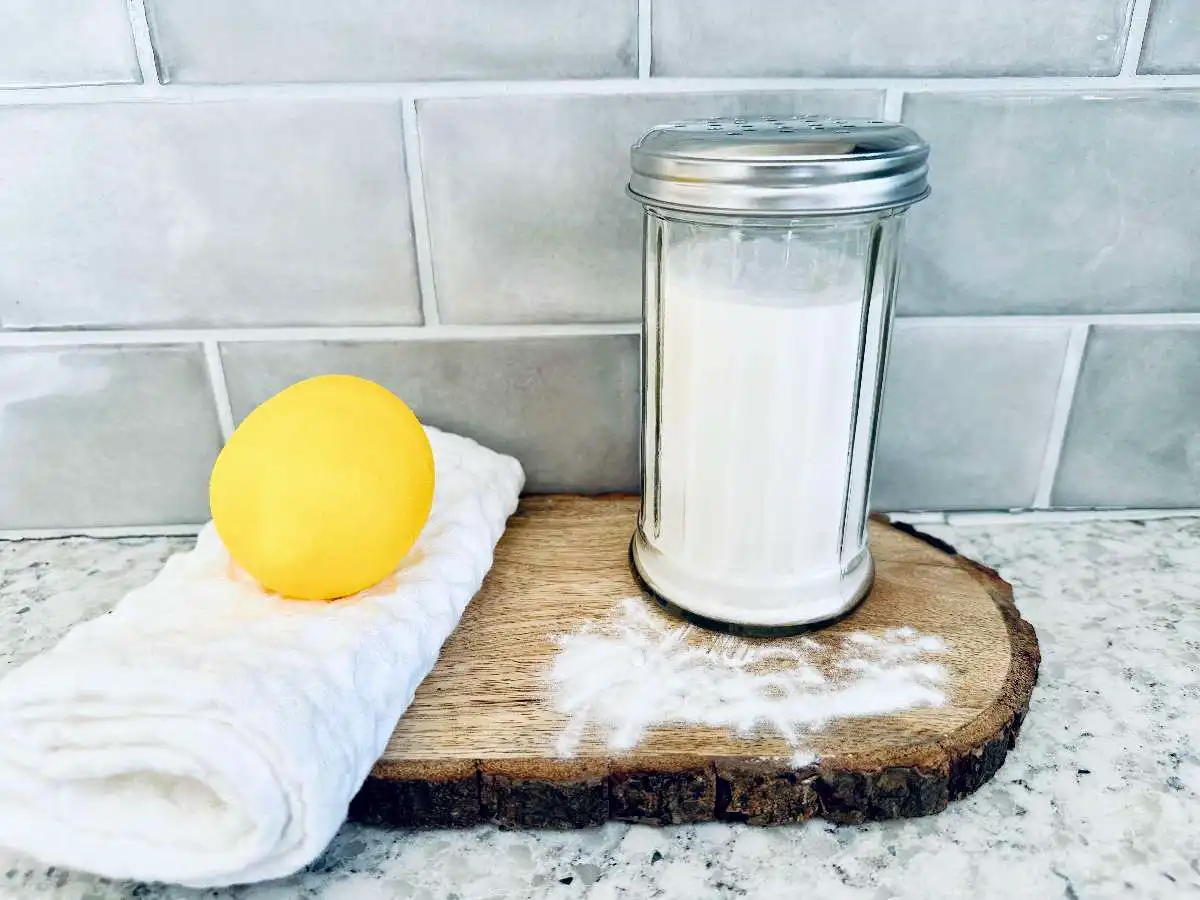
- Baking soda: Great for absorbing oils and neutralizing odors.
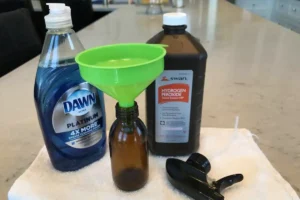
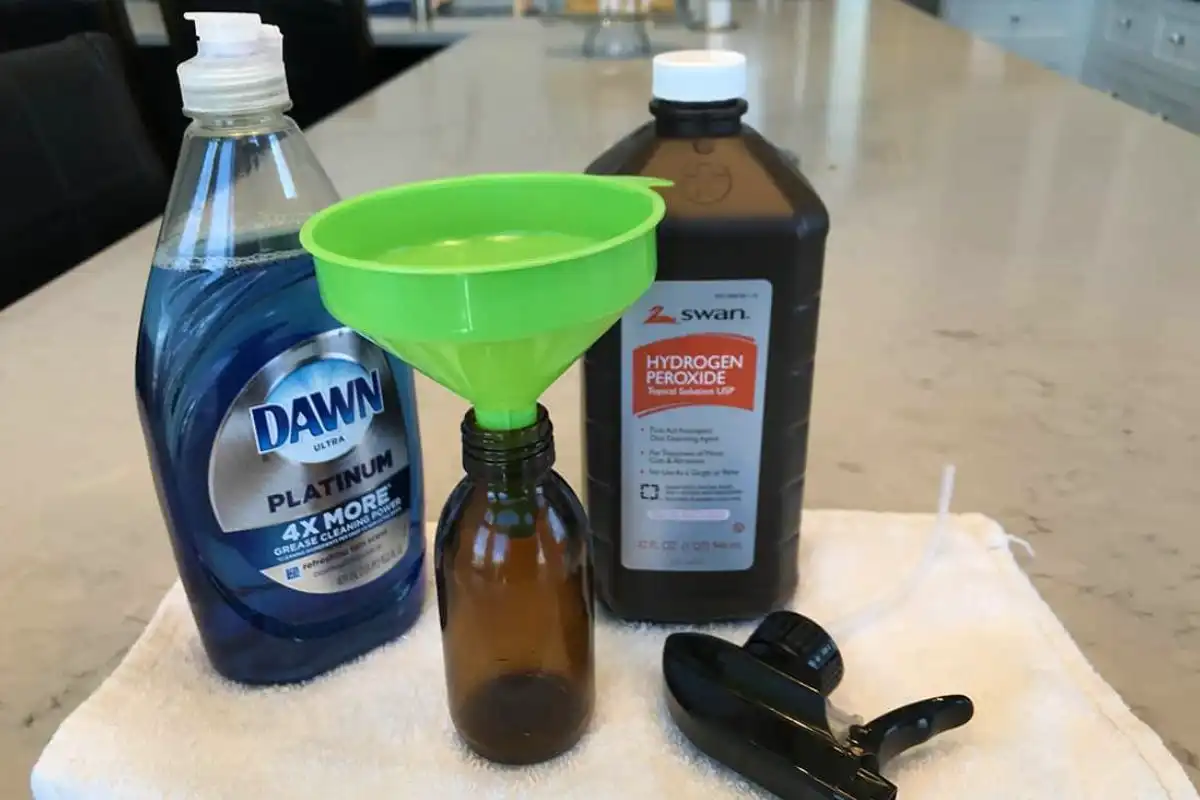
- Hydrogen peroxide: Breaks down organic stains and brightens whites.
- Dish soap: Acts as a surfactant that lifts grease and dirt.
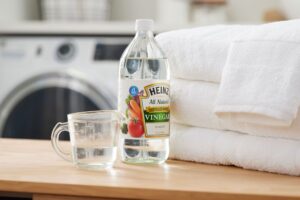
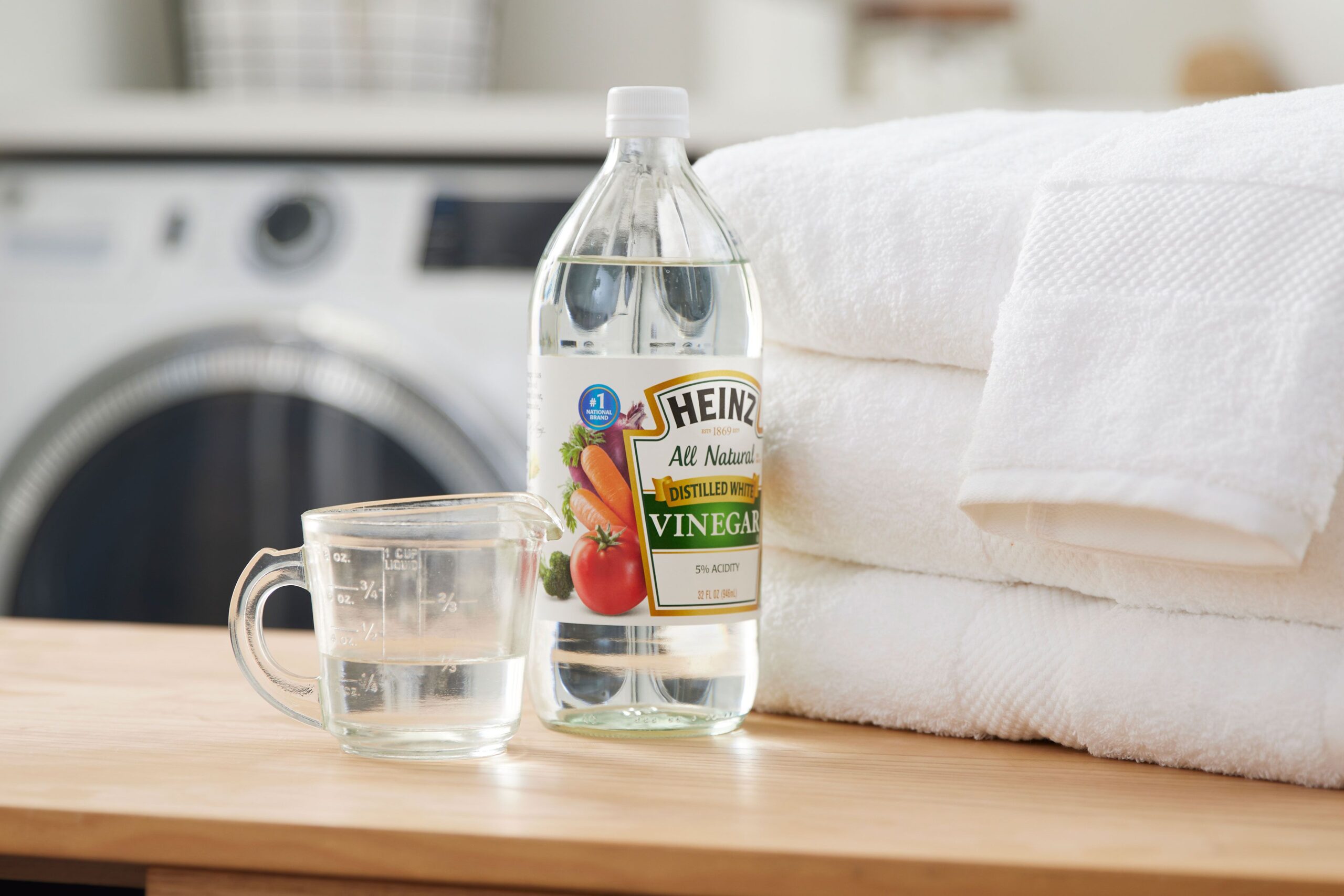
- White vinegar: Helps dissolve mineral deposits and softens fabrics.
- Cornstarch: Excellent for soaking up oil and grease before washing.
Safety notes:
- Don’t just go pouring your homemade concoction all over your favorite shirt, try it out on a sneaky spot first, just in case it does something weird.
- Peroxide gets fussy with sunlight too, so stash anything with that stuff in a dark glass bottle, not some clear plastic leftover from last night’s takeout.
DIY Recipe 1: All-Purpose Stain Remover
If you want one go-to formula that works on most everyday messes, this all-purpose homemade laundry stain remover is perfect.
Ingredients:
- ¼ cup hydrogen peroxide
- 1 tablespoon baking soda
- 1 teaspoon liquid dish soap
Instructions:
- Combine all the ingredients in a small bowl or spray bottle.
- Stir or shake gently until well mixed.
- Apply directly to the stained area.
- Let it sit for about 10–15 minutes.
- Wash as usual in warm water.
This simple mixture works beautifully on food stains, grass marks, light makeup, and even mild blood stains.
Tip: Store any leftover mix in a dark container and use within two weeks. Shake gently before each use since baking soda tends to settle at the bottom.
DIY Recipe 2: Grease and Oil Fighter
When dealing with cooking oil, motor grease, or lotion stains, you need a stronger laundry stain remover homemade formula designed to break down tough grease.
Ingredients:
- 1 tablespoon dish soap
- 1 tablespoon cornstarch or baking soda
- A few drops of warm water to form a paste
Instructions:
- Sprinkle baking soda or cornstarch on the oily stain and let it sit for 5–10 minutes to absorb excess oil.
- Mix dish soap and a little warm water to create a paste.
- Apply it over the powder and gently scrub with a soft brush or cloth.
- Let it dwell for 15–20 minutes, then rinse.
Tip: If you are working on delicate fabrics, test first and skip scrubbing. Lightly dab the area instead to prevent damage.
Read More: Homemade Dishwasher Pods Recipe
DIY Recipe 3: Brightener and Whitening Pretreatment
White clothes lose brightness over time, but you can restore them with the best homemade laundry stain remover for whitening.
Ingredients:
- ¼ cup hydrogen peroxide
- 1 tablespoon baking soda
- 1 teaspoon mild dish soap
Instructions:
- Mix all ingredients in a small bowl.
- Apply to stained or dull areas on white or color-safe fabrics.
- Allow it to sit for 30 minutes before washing in warm water.
Tip: Avoid using this mixture on dark or delicate items unless you have tested it first. Hydrogen peroxide has mild bleaching properties and can lighten colors.
How to Use Homemade Laundry Stain Remover
Using your homemade stain remover for laundry the right way makes all the difference. Follow these steps for the best results:
- Blot the stain first. Never rub fresh stains. Blot gently with a paper towel or clean cloth to remove excess.
- Apply the remover. Use a spray bottle or soft brush to apply your chosen formula directly on the stain.
- Let it dwell. Give it 10–30 minutes, depending on the stain type.
- Gently scrub. For tougher stains, lightly agitate with a soft brush.
- Rinse and wash. Launder as usual, checking before drying to ensure the stain is gone.
Tip: For older or stubborn stains, repeat the process or soak the fabric in warm water mixed with your stain remover overnight before washing.
When DIY Doesn’t Cut It (Limitations)
Even the fanciest homemade laundry stain remover isn’t magic. Stuff like ink, Sharpie, or those wild dye stains? Sometimes you just gotta bring in the heavy-duty, store-bought cleaners or call in the pros if things get really tragic.
Still, don’t skip the DIY route right away. Seriously, half the time you’ll be shocked at what a mix of, I don’t know, dish soap and stubbornness can do. It’s worth a shot before you panic-buy every cleaner in the aisle.
Tips You Will Not Get Anywhere
Seasonal and Climate Adjustments
The weather totally messes with your DIY concoctions. If you’re somewhere chilly, everything just crawls. Chemical reactions basically hit the snooze button, so you gotta let stuff sit way longer. On the flip side, if you’re sweating it out in a hot place, peroxide disappears on you in no time. Keep those bottles sealed tight and stash ‘em somewhere cool.
Tip: In humid regions, add a few drops of tea tree oil or vinegar to prevent mildew smells from developing in your homemade cleaners.
Fabric-Specific Customization
Every fabric reacts differently, so tailor your homemade laundry stain remover accordingly.
Fabric cheat sheet:
- Silk and wool: Use mild dish soap with water only. Avoid peroxide.
- Synthetics: Avoid strong alkaline ingredients like washing soda.
- Denim or canvas: Can handle more aggressive mixtures and scrubbing.
Tip: Always rinse treated areas thoroughly before drying. Heat can set stains permanently if residue remains.
Troubleshooting: Why It Didn’t Work and Fixes
If your best homemade laundry stain remover failed to work, don’t worry. Here are common reasons and how to fix them:
- The stain is old or has been heat-set by the dryer. Try reapplying the solution while the fabric is damp and let it soak longer.
- The mix was too diluted. Use slightly less water or more baking soda.
- You did not allow enough dwell time. Some stains need up to an hour.
Tip: For deep-set stains, alternate between vinegar and baking soda treatments. The fizzing reaction helps loosen residue stuck deep in fibers.
How to Store Homemade Laundry Stain Remover
Your homemade cleaner’s not gonna last forever, think a week or two tops, unless you stash it in a super tight bottle, then maybe you’ll squeeze out a month. If you’ve mixed in hydrogen peroxide, grab a dark bottle or something you can’t see through, or it’ll lose its punch.
Slap a label on the bottle something like “Stain Remover, Use by (date)” so you don’t forget. Keep the whole thing in a cool, shady spot, waaay out of reach for kids and pets. Oh, and don’t even think about letting it hang out near bleach or any gnarly chemicals. That’s just asking for trouble.
FAQs
Is homemade laundry stain remover really effective compared to store brands?
Yes. Most DIY versions perform just as well on common stains when used correctly, especially for food, grass, and oil marks.
What is the safest formula for colored fabrics?
Use dish soap and baking soda only. Skip hydrogen peroxide if you are worried about fading.
How long should I let my cleaner sit before washing?
Usually 15–30 minutes. Tough stains might need longer soaking.
Will DIY stain remover damage silk or wool?
Avoid using peroxide or vinegar on these fabrics. Stick to gentle soap and cold water.
Can I store my homemade stain remover for weeks?
Yes, but check it regularly. If it changes smell or color, discard it and make a new batch.
What’s the best homemade laundry stain remover for grease versus food stains?
Dish soap and baking soda work best for grease. Peroxide and baking soda handle food stains.
Can I mix my DIY stain remover with detergent?
Yes, but apply it first as a pretreatment. Rinse lightly, then launder normally.
Conclusion
If you’re sick of overpriced cleaners that barely do the job, yeah, I feel you. These homemade laundry stain remover formulas? Total game-changers. You just mix ‘em up, slap ‘em on whatever stain’s ruining your day, and watch the magic happen. For real, it’s not rocket science.
Give one of these recipes a shot just, you know, maybe test it on a corner first so you don’t accidentally add “bleach blotch” to your list of problems. If it works (and trust me, it probably will), good luck ever shelling out for those fancy bottles again.
Oh, and if you end up tweaking a recipe and it turns out awesome, shout it out in the comments. Someone else might be desperate for your secret sauce.