


Affiliate Disclosure
This article may contain affiliate links. If you purchase through these links, we may earn a small commission at no additional cost to you. As an Amazon Associate, we earn from qualifying purchases.
It has been common to find whites nearly sparkling, odors eliminated, and colors brightening up all through distilled white vinegar for laundry. So, you have your laundry detergent and vinegar, pretty handy individually, but what happens if you use vinegar and laundry detergent together? That’s what many people wonder before combining them in their laundry routine.
But what’s the big deal if you combine them? Is it going to get your clothes cleaner, or mess with your washing machine?
In this blog post, we peek into the relationship between vinegar and laundry detergent: should they be nice to each other, or just left alone? So many are curious about something as acidic as vinegar getting along with laundry detergent, which is alkaline. Both have the power of cleaning, but the big question is, are they better or worse when mixed?
So, let’s start and see what happens if you mix vinegar and laundry detergent together!
What Kind of Vinegar is used for laundry?
✓ Quick Answer
If you use vinegar for your laundry, then the best option is white vinegar. It is completely colorless, so it doesn’t stain the fabric. It’s different from other vinegars that are like apple cider or balsamic, because it doesn’t contain natural dyes or other stuff that might damage your clothes.
This is because it contains acetic acid that breaks down detergent residues, softens fabrics, and removes odors.
Plus, it is just perfect with hard water, clearing mineral buildup from it, sometimes making your clothes feel stiff or just kinda dull. That is, one cool thing about using white vinegar for laundry is, it will not leave that funky vinegar smell on your clothes after washing. Well, once your rinse cycle is through, your clothes are fresh and smell good!
I know other vinegars can be kind of cool, but you really want to use the distilled white vinegar for laundry. Because some of the darker kinds, like apple cider vinegar, might make it look altogether goofy on lighter fabrics.
And aside from all that, it’s cheaper and everywhere, so it’s super easy just to add to your usual laundry game.
Recommended
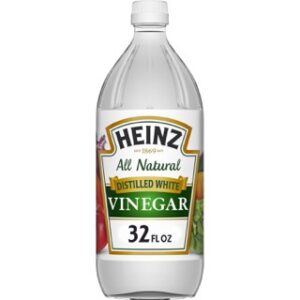
Heinz Distilled White Vinegar
⭐ Rating: 4.8/5
Best For:
Adding to the rinse cycle to help soften fabrics, reduce odors, and remove detergent residue.
Why We Recommend It:
With a standard 5% acidity, this food-grade distilled white vinegar is a safe choice for common laundry uses.
Just remember: don't mix it directly with laundry detergent. Add it to the fabric softener dispenser or rinse cycle instead.
Pros
✔ Standard 5% acidity for everyday laundry
✔ Helps reduce odors and detergent residue
✔ Trusted, food-grade distilled white vinegar
So, in short, white vinegar is a good and safe alternative to washing. It will make your clothes softer, cleaner, and whiter without ruining them. Moreover, if you use white vinegar, it brings about some enhancement in the cleansing ability of your detergent and keeps your washing machine sound, in a quite natural way of doing your laundry.
Benefits Of White Distilled Vinegar For Laundry
White vinegar is a basic, natural addition to your laundry routine that softens clothes, whitens whites, and deodorizes. Also, it is fantastic at cleaning your washing machine to ensure it runs smoothly. Here are just a few quick benefits of using white vinegar for laundry:
- Softens clothes naturally.
- Brightens white clothes.
- Helps maintain vibrant colors.
- Reduces static cling.
- Prevents lint buildup.
- Safe for sensitive skin.
- Eliminates mildew smells.
- Remove bacteria and germs.
- Natural fabric softener.
- Removes yellow underarm stains.
- Cleans the washing machine drum.
- Prevents mineral buildup in the washer.
- Great for pet hair removal.
- Restores fluffiness to towels.
- Safe for high-efficiency machines.
- Reduces soap scum buildup.
- Enhances detergent effectiveness.
- Safe for use on baby clothes.
- Won’t leave a strong vinegar smell.
- Helps dissolve hard water deposits.
What Happens if You Use Vinegar and Laundry Detergent Together?
At first, it might seem like a simple trick, but what happens if you use vinegar and laundry detergent together can actually lead to multiple issues that may mess up your laundry.
So, what happens when you add vinegar and detergent together inside your washing machine?
- Soap Scum Formation: You can get this soapy gunk. That stuff is a real pain, causing clogs in your machine over time. Also, it might make spots or residues appear on your clothes.
- Resulting in an unproductive rinse cycle: Therefore, if you add white vinegar for laundry and detergent simultaneously, the latter may not reach its 100%. This might lead to some residue that can irritate sensitive skin. Thus, proper rinsing is pretty much essential to keep your clothes comfortable, especially for allergy or skin sensitivity sufferers.
- Neutralization of Odor: That is why white vinegar works so well at eliminating odors. It may not be as effective in the removal of odors when combined with detergent, however. These pesky smells may linger on to haunt your clothes, kind of defeating the purpose of using vinegar in the first place.
- Watch out for destroying materials: There are some very fragile textures, and the acid contained in white vinegar can destroy some. Adding vinegar to your detergent may make your materials fade or become discolored, particularly silk or wool.
Can You Use Vinegar and Laundry Detergent Together?
Vinegar and laundry detergent don’t mix too well. Many people ask, ” Can you mix vinegar and detergent safely in one cycle? The answer is more complex than it seems. When put together, it can mess up the way they both work, make fabric softener less effective, cause soap scum buildups, or even possibly damage some of your fabrics.
✓ Quick Answer
You can add vinegar to your laundry detergent under proper guidance so that you do not encounter any problems.
The best way to use it with your detergent in the wash is by adding it at different times. First, add your detergent as usual. Then, during the rinse cycle, pour in about half a cup of white vinegar so that both the detergent and vinegar can work effectively without interfering with each other.
Vinegar helps to remove odors, so your laundry comes out fresh and clean, and can even stop the development of soap scum within the washing machine, making it an all-around washing assistant.
Well, caution is always exercised when vinegar is used to clean more fragile fibers such as silk and wool since the acidity proves too harsh for them.
Other than that, though, white vinegar works pretty well for the average laundry and may help a lot when used.
When Should You Not Use Vinegar in Laundry?
Dear readers, you shouldn’t add white vinegar if you’re washing delicate stuff like silk, wool, or something that has special finishes. Acidity from the distilled white vinegar for laundry can completely ruin these materials, causing fading, weakening, or distortion. And yeah, if your clothes contain any elastic or spandex, white vinegar can make them wear out pretty fast.
⚠ Warning
✘ Don’t mix white vinegar with bleach! When you mix the two together, they make this toxic chlorine gas that’s pretty bad for your lungs. So it is smarter to use them separately in different loads.
✘ Putting white vinegar right with the detergent may completely ruin the cleansing ability of your detergent. So you could get a lot of clothes without the freshness you want, or even some dirt and stains hanging out.
✘ If you have a rubber-wrapped seal or rubber parts attached somewhere to your washing machine, don’t do this. It’ll break them down totally sometimes, or at least cause leaks or other problems with the machine.
But if you use the distilled white vinegar for laundry sparingly during the rinse cycle, instead. Then you’ll get some benefits without all those downsides.
Frequently Asked Questions
1. What happens if you use vinegar and laundry detergent together?
When you mix vinegar and laundry detergent, it can cause several problems. The two substances have different pH levels, and when combined, they can neutralize each other, reducing the effectiveness of both. This can lead to soap scum formation, which may clog your washing machine, leave residues on your clothes, and result in an unproductive rinse cycle. It may also irritate sensitive skin due to detergent buildup.
2. Can you mix vinegar and detergent in the washing machine?
While vinegar and detergent can both clean clothes effectively on their own, mixing them in the wash isn’t ideal. Can you mix vinegar and detergent? The answer is no, it can interfere with the cleaning process and even cause soap scum to build up, potentially damaging your clothes and washing machine over time. It’s best to add vinegar during the rinse cycle after the detergent has done its job.
3. Is there an alternative way to mix vinegar and laundry detergent?
It’s generally not recommended to mix vinegar and laundry detergent together. Can you mix vinegar and laundry detergent in any way? While both are powerful cleaning agents, combining them may lead to ineffective cleaning, no matter whether it’s in a machine or by hand washing. The vinegar could weaken the detergent’s cleaning power and cause irritation from residue left on clothes. For best results, add vinegar separately during the rinse cycle to avoid these issues.
Read more: The Best Homemade Laundry Detergent Recipe












Roborock Saros 20 Robot Vacuum Review: Is It Worth Buying?
Still rescuing your robot from thresholds and tangled hair? This Robor…
O-Cedar EasyWring RinseClean Spin Mop System Review: Worth Buying?
Does separate clean water make mopping easier? Explore the O-Cedar Eas…
O-Cedar EasyWring Spin Mop Review: Is It Worth Buying?
Does easier wringing make the O-Cedar EasyWring spin mop worth buying?…
Roborock Saros 10R Robot Vacuum Review: Is It Worth the Premium Price?
Is the Roborock Saros 10R worth its premium price? This in-depth revie…

Roborock Qrevo S Pro Robot Vacuum Review: Is It Worth Buying?
The Roborock Qrevo S Pro promises less daily vacuuming and mop care. T…

10 Best Roborock Robot Vacuum Models: Which Fits Your Home?
Which Roborock robot vacuum fits your home? Compare 10 models across t…
5 Best Microfiber Cleaning Cloths: Which Should You Buy?
Find the best microfiber cleaning cloth for your home. Compare five pi…
USANOOKS Microfiber Cleaning Cloth Review: Is the Grey 12 Pack Worth It?
Considering the USANOOKS grey 12 pack? Explore its size, color choices…

MR.SIGA Microfiber Cleaning Cloth Review: Is the 12 Pack Worth It?
Are MR.SIGA microfiber cleaning cloths worth a spot in your kitchen? T…
Amazon Basics Microfiber Cleaning Cloths Review: Are They Worth Buying?
Amazon Basics Microfiber Cleaning Cloths provide an affordable 24 pack…
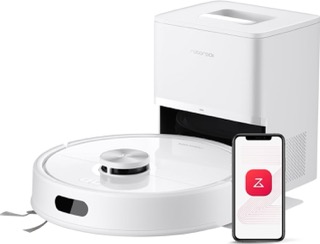
Roborock Q7 M5+ Robot Vacuum Review: Is This Budget Vacuum and Mop Worth It?
Can an affordable robot really vacuum, mop and empty itself effectivel…
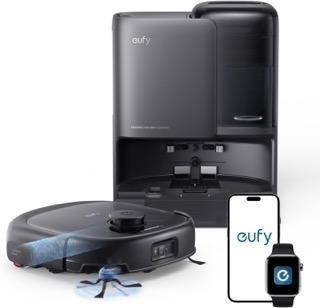
Eufy E25 Robot Vacuum and Mop Review: Is It Worth Buying?
Can the Eufy E25 Robot Vacuum replace both your vacuum and mop? This i…